Soft Vanilla Cake Recipe
If you’re searching for a dreamy, melt-in-your-mouth cake, this Soft Vanilla Cake Recipe is exactly what you need. Trust me, it’s one of those recipes I keep coming back to because it’s consistently tender, flavorful, and so versatile. Whether you’re celebrating a special occasion or just want a slice of comfort, this cake has you covered. Stick around—I’ll walk you through everything to help you nail it perfectly!
Why This Recipe Works
- Balanced Fat and Liquid: The mix of butter, oil, and buttermilk keeps the cake irresistibly moist and soft.
- Gentle Folding Technique: Folding the batter by hand prevents over-developing gluten, giving the cake its tender crumb.
- Creamy Vanilla Buttercream: The frosting pairs perfectly without overwhelming the delicate vanilla flavor of the cake.
- Measured Ingredients: Using grams for key ingredients ensures consistent results every time.

Ingredients & Why They Work
This Soft Vanilla Cake Recipe uses a thoughtful blend of ingredients that come together to create a soft, fluffy texture and rich vanilla flavor. Each component plays a key role, and I’ll share some tips on picking the best options.
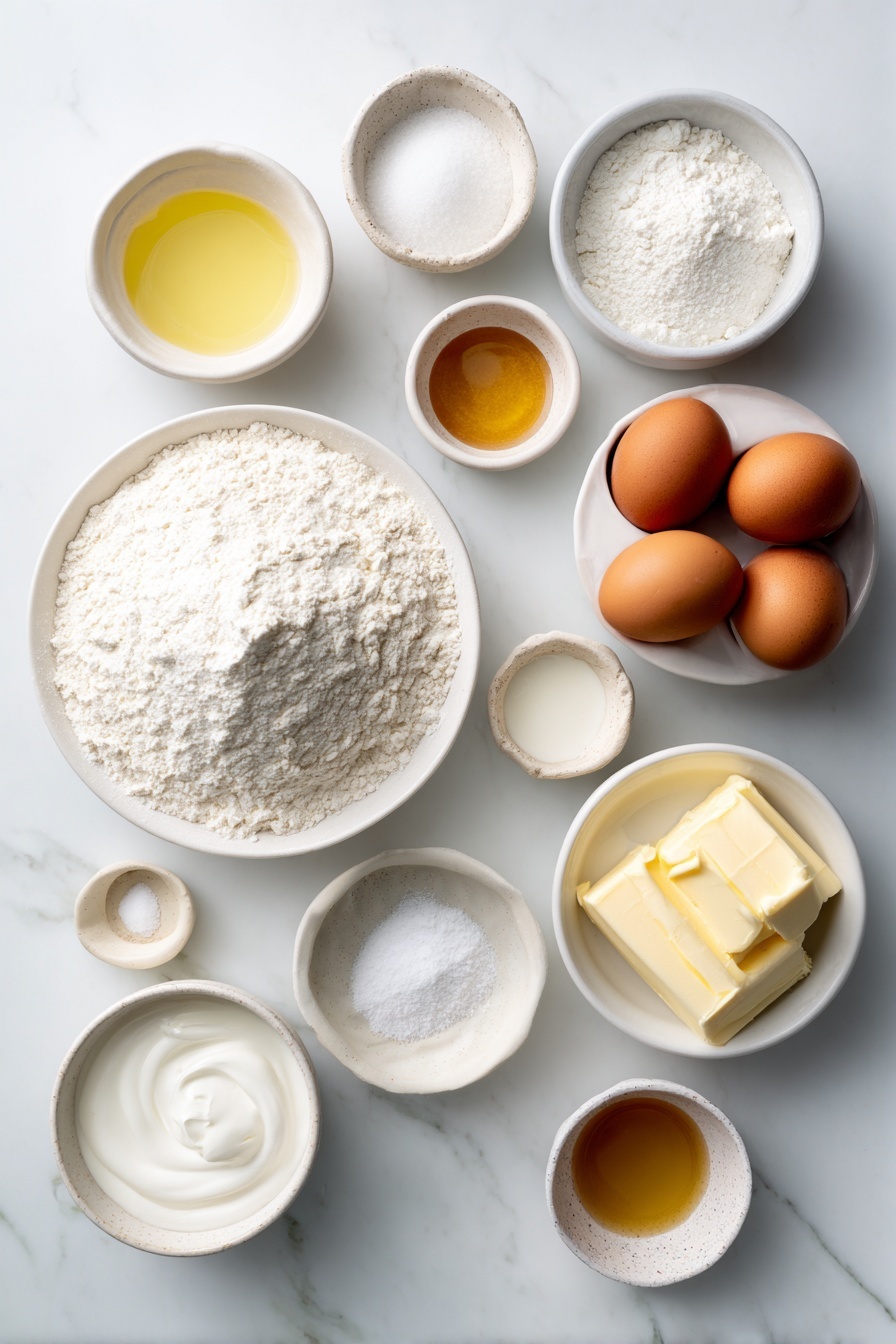
- All purpose flour and cornstarch: The cornstarch lightens the flour for a softer crumb without needing cake flour.
- Baking soda and baking powder: This combo ensures your cake rises nicely and stays tender.
- Unsalted butter: Adds richness and depth of flavor; make sure it’s room temperature for easier creaming.
- Vegetable oil: Keeps the cake moist and prevents it from drying out—a little secret I swear by.
- White granulated sugar: Sweetens without affecting texture; make sure you level it well for accuracy.
- Large eggs: Bring structure and moisture; I like to use them at room temperature for better mixing.
- Vanilla extract: Pure vanilla extract really lifts the whole cake flavor—don’t skimp on this!
- White vinegar: Reacts with baking soda to help the cake rise and enhances tenderness.
- Buttermilk: Adds tang and acidity, balancing sweetness and making the crumb super soft. If you don’t have store-bought, see my note below for substitution tips.
Make It Your Way
I love how flexible this Soft Vanilla Cake Recipe is. Over the years, I’ve tossed in extras and tweaks, so don’t hesitate to make it your own. You can subtly shift flavors or adjust sweetness based on your mood or dietary needs.
- Start with a Classic: I usually keep it simple for family dinners, letting the vanilla shine with the classic buttercream.
- Try a Citrus Twist: Adding a teaspoon of freshly grated lemon or orange zest makes a refreshing change, perfect for spring and summer.
- Dairy-Free Version: Substitute coconut oil for butter and use almond or oat ‘buttermilk’ mixed with apple cider vinegar; results vary, but I’ve gotten a surprisingly good soft texture.
- Less Sweet Frosting: If you prefer, swap the American-style buttercream for a lighter Swiss meringue buttercream for a smoother finish.
Step-by-Step: How I Make Soft Vanilla Cake Recipe
Step 1: Prep Your Baking Space
First things first: Preheat your oven to 165°C (330°F) with the fan on if you have it—this helps the cake bake evenly and prevents drying out. Meanwhile, grease and line two 8-inch cake pans. I swear by my homemade cake release spray; it makes removing the cakes a breeze and never sticks.
Step 2: Mix Dry Ingredients Carefully
Sift together the flour, cornstarch, baking soda, baking powder, and salt. Whisk them to distribute everything evenly. This step might seem minor, but it ensures your cake has the right lift and light texture—no dense spots here!
Step 3: Cream Butter, Oil, and Sugar
In a separate bowl, combine the room-temp butter, vegetable oil, and sugar. I like to use my electric mixer for this—cream it on medium speed for about 2 minutes until it’s pale and fluffy. This step traps air that helps the cake rise beautifully.
Step 4: Add Eggs One at a Time
Add your eggs one by one, beating well between each (about 10–15 seconds). This slow incorporation keeps the batter stable and luscious. Don’t rush it—you’ll thank yourself when the cake is perfectly tender.
Step 5: Combine Wet Flavors & Buttermilk
Stir in the vanilla extract, white vinegar, and half a cup of the buttermilk. The vinegar might seem odd in a cake, but it reacts with the baking soda to give your cake a lovely lift while keeping it soft inside. When everything’s smooth, you’re ready to bring in the dry ingredients.
Step 6: Fold in Dry Ingredients and Remaining Buttermilk
This is the delicate part: I switch to folding with a spatula to gently combine the dry ingredients and buttermilk into the wet. Start by folding in half of the dry mixture, then add the remaining buttermilk, and finally fold in the rest of the dry ingredients. Mixing just until the flour disappears is key—overmixing can toughen the crumb, so be gentle.
Step 7: Bake and Cool
Split your batter evenly between the two pans and bake for about 30 minutes or until a toothpick inserted into the center comes out clean. When done, let the cakes sit in the pans for 15–20 minutes before turning them out onto a cooling rack. Patience here means your cakes won’t break or crumble as they cool to room temperature.
Step 8: Whip Up the Vanilla Buttercream
For the frosting, blend softened butter with powdered sugar, vanilla extract, and milk using the paddle attachment on your mixer. Start slow so the sugar doesn’t fly everywhere, then crank it up to medium-high for 10 minutes to get that light and fluffy texture. I always scrape the bowl halfway through to make sure everything is perfectly mixed.
Tips from My Kitchen
- Use Room Temperature Ingredients: Eggs, butter, and buttermilk at room temp blend more easily and prevent curdling.
- Don’t Overmix the Batter: Folding gently keeps your cake tender—stop once the flour disappears.
- Test Your Oven Temperature: If you don’t have a fan setting, increase the temperature slightly to 175°C (347°F) for even baking.
- Cool Cakes Before Frosting: Frosting a warm cake ruins the buttercream; patience pays off with a smooth finish.
How to Serve Soft Vanilla Cake Recipe
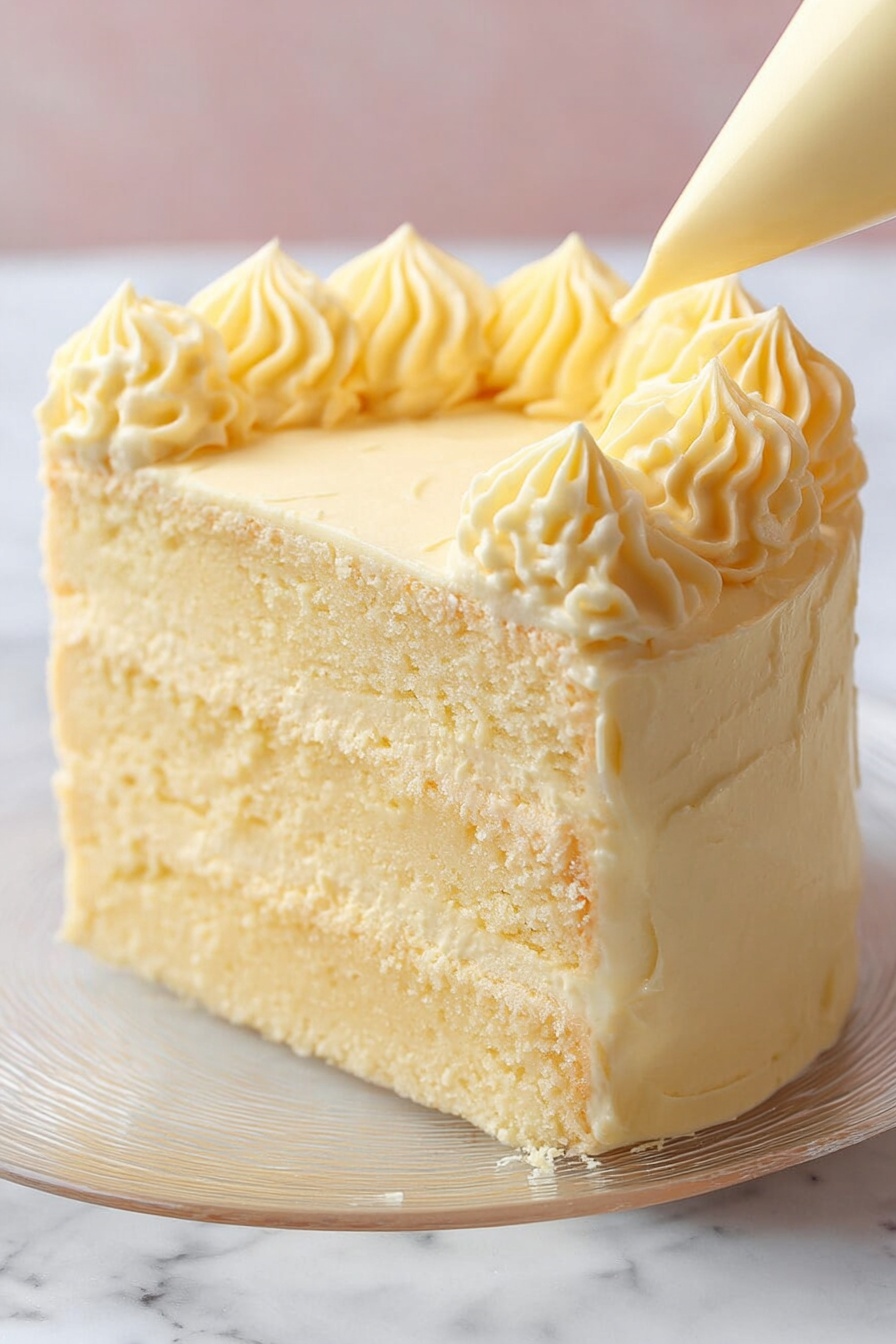
Garnishes
I love adding fresh berries or a sprinkle of edible flowers for a pop of color and freshness. Sometimes a light dusting of powdered sugar works beautifully if I want to keep it simple. A spoonful of homemade jam on the side also adds a lovely twist if you want some extra fruity sweetness.
Side Dishes
A scoop of vanilla bean ice cream or a dollop of whipped cream always pairs well and balances the cake’s richness. For an adult touch, a glass of cold milk or even a light dessert wine can elevate the whole experience.
Creative Ways to Present
For birthdays, I’ve layered this Soft Vanilla Cake Recipe with alternating colors of buttercream to create a fun ombré effect inside. At holidays, swapping vanilla buttercream for flavored frostings like coffee or chocolate adds delightful variety. I’ve even tried filling the layers with fresh fruit preserves for extra surprise!
Make Ahead and Storage
Storing Leftovers
I usually store leftover cake tightly wrapped in plastic wrap in the fridge for up to 3 days. This keeps it moist without drying out—or losing that soft, tender crumb I love. Just remember to bring it back to room temperature before serving for the best flavor and texture.
Freezing
This cake freezes beautifully! I slice leftover layers, wrap each piece securely in plastic wrap and then foil, and freeze for up to 2 months. When I want some, I thaw it overnight in the fridge and bring it to room temp before enjoying.
Reheating
To freshen up slices, I warm individual servings in the microwave for about 15 seconds—just enough to bring back softness without drying it out. I avoid reheating the whole cake to preserve the frosting’s integrity.
FAQs
-
Can I use cake flour instead of all-purpose flour in the Soft Vanilla Cake Recipe?
Yes! You can replace the all-purpose flour and cornstarch with cake flour, using a total of 325 grams. Cake flour creates a lighter texture, but make sure to measure carefully as it absorbs liquid differently. The cake turns out very tender either way.
-
What can I use if I don’t have store-bought buttermilk?
For a homemade substitute, mix 1 tablespoon of lemon juice or white vinegar with enough milk to make 1 1/4 cups, then let it sit for 5 minutes. Note that the texture might be a bit different from the recipe using store-bought buttermilk, so I recommend reducing the amount slightly to 275 grams for best results.
-
Why is vinegar used in this cake recipe?
White vinegar reacts with baking soda, creating bubbles that help the cake rise and stay fluffy. It’s a small addition that makes a big difference in texture, contributing to that soft crumb that everyone loves.
-
How do I prevent my vanilla cake from drying out?
Make sure to accurately measure your ingredients and avoid overbaking. Also, mixing gently to avoid gluten development keeps the crumb soft. Storing the cake covered and adding a bit of oil to the batter helps retain moisture.
-
Can I make this recipe dairy-free?
Yes! Replace butter with coconut oil and use a plant milk mixed with vinegar as your buttermilk substitute. The texture might vary a bit, but the cake will still be delightfully soft.
Final Thoughts
This Soft Vanilla Cake Recipe holds a special place in my heart because it’s consistently simple yet stunning. Every time I bake it, I’m reminded how a few thoughtful ingredients and gentle techniques can create pure magic in the kitchen. I hope you’ll try this recipe and make it your little celebration staple—because nothing beats sharing a slice of soft, vanilla-scented happiness with loved ones.
Print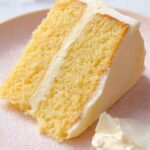
Soft Vanilla Cake Recipe
- Prep Time: 10 minutes
- Cook Time: 30 minutes
- Total Time: 2 hours 10 minutes
- Yield: 12 servings
- Category: Dessert
- Method: Baking
- Cuisine: American
- Diet: Vegetarian
Description
A moist and tender soft vanilla cake made with a blend of all-purpose flour, cornstarch, and buttermilk, enhanced with vanilla and a subtle tang from vinegar. Perfectly paired with a creamy, smooth American-style vanilla buttercream frosting that is sweet yet balanced, making it ideal for celebrations or everyday treats.
Ingredients
Vanilla Cake
- 2¼ cups (300 g) all purpose flour
- ¼ cup (25 g) cornstarch
- ½ tsp baking soda
- 1 tsp baking powder
- ½ tsp salt (omit if using salted butter)
- ½ cup (113 g) unsalted butter, room temperature
- ½ cup (105 g) unflavoured vegetable oil (canola recommended)
- 1⅔ cups (332 g) white granulated sugar
- 3 large eggs, room temperature
- 1¼ tbsp vanilla essence/extract
- 1 tsp white vinegar
- 1½ cups (337 g) buttermilk, room temperature
Vanilla Buttercream Frosting
- 1½ cups (340 g) unsalted butter, room temperature
- 3 cups (375 g) powdered sugar (icing/confectioners’ sugar)
- 1½ tsp vanilla essence/extract
- 1½ tbsp milk (heavy or whipping cream)
Instructions
- Preheat Oven: Preheat your oven to 165 °C (330°F) with the fan on. Grease and/or line two 8-inch cake tins with cake release or parchment paper.
- Combine Dry Ingredients: Sift together the all-purpose flour, cornstarch, baking soda, baking powder, and salt in a bowl. Whisk to mix well and set aside.
- Cream Butter, Oil, and Sugar: In a separate bowl, using an electric mixer, cream the room temperature butter, vegetable oil, and granulated sugar on medium-high speed for about 2 minutes until light and creamy.
- Add Eggs: Add the eggs one at a time, mixing well after each addition for about 10-15 seconds to ensure they are fully incorporated.
- Add Vanilla, Vinegar, and Buttermilk: Mix in the vanilla extract, white vinegar, and half a cup of buttermilk until combined. Stop using the mixer after this step as the remaining steps will be completed by hand.
- Fold Dry Ingredients and Remaining Buttermilk: Gently fold half of the dry ingredients into the wet mixture using a spatula until just combined. Next, add 1 cup of the buttermilk and fold gently. Finally, fold in the remaining dry ingredients until the batter is uniform but do not overmix.
- Bake Cakes: Evenly divide the batter between the prepared 8-inch cake pans. Bake in the preheated oven for 30 minutes or until a toothpick inserted in the center comes out clean.
- Cool Cakes: Let the cakes cool in their pans for 15-20 minutes, then turn them out onto wire racks to cool completely before frosting.
- Make Buttercream Frosting: In a stand mixer bowl fitted with a paddle attachment, combine powdered sugar, butter, vanilla extract, and milk. Mix on low speed for about 1 minute to combine, then increase to medium-high speed and whip for 10 minutes, scraping down the bowl halfway through until the frosting is light and creamy.
- Assemble and Frost: Once the cakes are completely cooled, frost using the prepared vanilla buttercream or a frosting of your choice.
Notes
- You may substitute the combination of all-purpose flour and cornstarch with 325g of cake flour for a lighter texture.
- If using a stand mixer, use the paddle attachment for creaming and switch to folding by hand after adding the buttermilk and dry ingredients to prevent overmixing.
- Gentle folding preserves cake tenderness by minimizing gluten development; mix only until flour strands disappear and batter is uniform.
- This frosting is an American-style buttercream, sweeter than Swiss or French buttercream. For less sweetness, consider Swiss meringue or French buttercream alternatives.
- If your oven lacks a convection (fan) function, increase baking temperature to 175°C (347°F) to achieve similar baking results.
- Store-bought buttermilk is thicker; if using a homemade substitute, reduce the amount to about 1¼ cups (275g) for best results.
- Measure flour by weight (grams) for accuracy due to the recipe’s delicate fat-to-liquid balance.
- Cooling cakes completely before frosting prevents the buttercream from melting and sliding off.
Nutrition
- Serving Size: 1 slice
- Calories: 350 kcal
- Sugar: 30 g
- Sodium: 150 mg
- Fat: 20 g
- Saturated Fat: 10 g
- Unsaturated Fat: 9 g
- Trans Fat: 0 g
- Carbohydrates: 40 g
- Fiber: 1 g
- Protein: 4 g
- Cholesterol: 65 mg