Slow Cooker Beef Stew with Red Wine Recipe
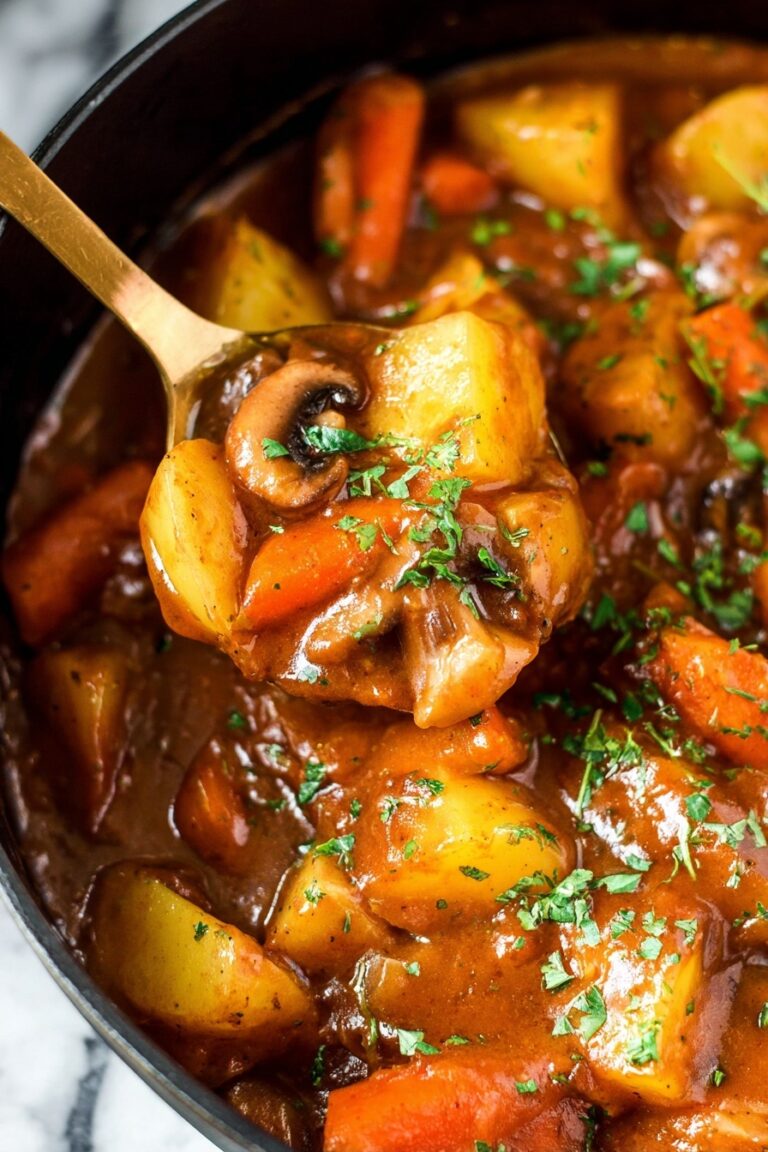
If you’re anything like me, slow cooker meals are kitchen lifesavers, especially when it involves rich, comforting dishes like my beloved Slow Cooker Beef Stew with Red Wine Recipe. This stew is everything you want on a chilly evening—tender beef, savory broth infused with red wine, and hearty veggies all melded together in one pot. Stick with me and I’ll share not just the recipe, but all the tips that make this stew stand out every single time.
Why This Recipe Works
- Tender, Flavorful Beef: Searing the meat before slow cooking locks in juices and adds deep flavor with those beautiful browned bits.
- Rich Red Wine Infusion: Using cabernet sauvignon or merlot gives the stew a sophisticated depth without overpowering the other ingredients.
- Balanced Veggies: Yukon gold potatoes, carrots, and peas add the perfect texture and sweetness, making every bite satisfying.
- Finishing Touch with Butter: Swirling in cold butter at the end creates a velvety, silky broth that feels like a hug in a bowl.

Ingredients & Why They Work
This Slow Cooker Beef Stew with Red Wine Recipe uses simple, classic ingredients that work in harmony to build layers of flavor. Choosing good quality stew meat and a decent bottle of red wine makes all the difference—no need for anything fancy, just balanced and fresh.
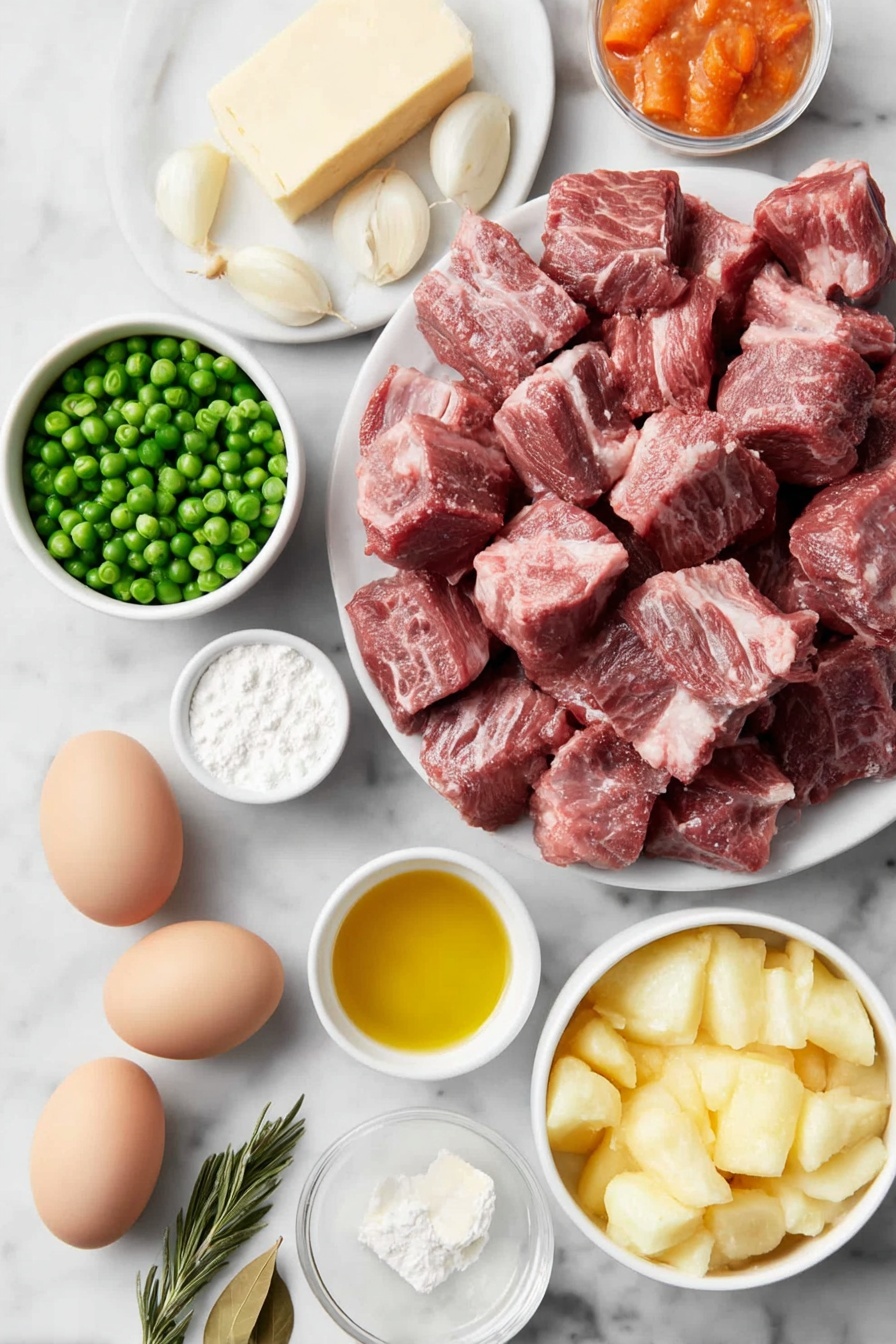
- Stew Meat: I prefer chuck roast cut into cubes—the perfect balance of fat and connective tissue that breaks down into tender goodness during slow cooking.
- Black Pepper, Garlic Salt, Celery Salt: These give a subtle but essential seasoning base to the beef, bringing out savory notes without overpowering.
- Flour: Lightly coats the beef, helping to brown it beautifully and ultimately thickening the stew as it cooks.
- Olive Oil & Butter: Olive oil is for searing, and butter adds richness and that silky finish when stirred in at the end.
- Yellow Onions & Garlic: Aromatics that create a savory backbone and meld beautifully with the wine and broth.
- Cabernet Sauvignon or Merlot: Adds acidity and fruity complexity; if you don’t drink wine, I’ll share alternatives below.
- Beef Broth & Bouillon Cubes: Supercharges the stew’s meaty flavor and depth.
- Worcestershire Sauce & Tomato Paste: These give umami and a subtle tang that rounds out the stew perfectly.
- Carrots & Baby Yukon Gold Potatoes: They hold their shape well and absorb all those amazing flavors.
- Bay Leaves & Rosemary: Herbal notes that add complexity without stealing the show.
- Frozen Peas: Stirred in at the end for freshness and a pop of color.
- Optional Corn Starch Mixture: For thickening, but it’s totally up to your preferred stew consistency.
- Gravy Master (Optional): A little trick of mine for richer, darker broth color without changing the taste.
Make It Your Way
I love how forgiving the Slow Cooker Beef Stew with Red Wine Recipe is—plus, it’s a great canvas for your personal taste. Experimenting with different herbs or swapping veggies can make this dish your own. I often add parsnips or celery for extra crunch.
- Variation: I tried substituting Guinness for the red wine one St. Patrick’s Day, and it gave the stew a gorgeous robust flavor for an Irish twist.
- Vegetarian option: You can replace beef broth with mushroom broth and use hearty vegetables like portobellos or seitan chunks.
- Spice level: If you like a touch of heat, a pinch of smoked paprika or cayenne powder blends nicely with the stew’s rich flavor.
Step-by-Step: How I Make Slow Cooker Beef Stew with Red Wine Recipe
Step 1: Prep and Season the Meat Like a Pro
Start by cutting your stew meat into 1-inch cubes, and be sure to trim off any large fat pieces to avoid greasiness—I like keeping the marbled fat that adds flavor and tenderness. Then sprinkle the beef generously with black pepper, garlic salt, and celery salt. Toss on flour to coat evenly; this not only helps with browning the meat but also thickens the stew later. This seasoning step sets the foundation.
Step 2: Sear the Meat to Seal in Juices
Heat 3 tablespoons of olive oil in a large skillet over medium-high heat. Add the meat in small batches—don’t overcrowd or you’ll steam the meat instead of browning it. Brown each cube for about 45 seconds per side; you want that golden crust, not cook-through yet. Add more oil if needed between batches. Once seared, transfer the meat straight to your slow cooker.
Step 3: Sauté Aromatics and Deglaze
Turn the heat down to medium and melt 1 tablespoon butter in the same skillet. Add diced onions and cook for about 5 minutes until softened and sweet. Toss in minced garlic and cook another minute—don’t let it burn! Pour in a splash of wine and use a spatula to scrape up all those fond bits stuck to the bottom; that’s pure flavor gold. Transfer the onion, garlic, and wine mixture into the slow cooker to join the beef.
Step 4: Add the Rest and Slow Cook
To the slow cooker add the beef broth, beef bouillon cubes, Worcestershire sauce, tomato paste, carrots, potatoes, bay leaves, and rosemary. Give everything a gentle stir. Cover and cook on low for about 7½ to 8 hours—or high for 3½ to 4 hours—until the veggies are tender and beef falls apart easily. I love that slow cooker magic here, turning humble ingredients into a soul-nourishing stew.
Step 5: Final Touches for the Perfect Stew
Add frozen peas in the last 15 minutes to keep their fresh pop and color. Then fish out the bay leaves and rosemary stem. If you like your stew thicker, mix ¼ cup cold water with 3 tablespoons corn starch and slowly whisk into the stew—it’ll thicken as it stands, so don’t overdo it. Finally, turn off the heat and swirl in 2 tablespoons cold butter. This chef trick, called “monter au beurre,” lifts the stew to silky perfection. For even deeper color, a couple of drops of Gravy Master works wonders.
Tips from My Kitchen
- Don’t Rush Searing: Taking time to brown in batches transforms simple stew meat into flavor-packed morsels.
- Use a Good Red Wine: I’ve learned that cooking wine isn’t the same; a decent but inexpensive bottle works best to add genuine depth.
- Add Butter Last: Swirling in cold butter right at the end gives a luxurious sheen and balances acidity from the wine.
- Avoid Overcooking Peas: Adding peas in the last 15 minutes keeps them bright and tender without turning mushy.
How to Serve Slow Cooker Beef Stew with Red Wine Recipe
Garnishes
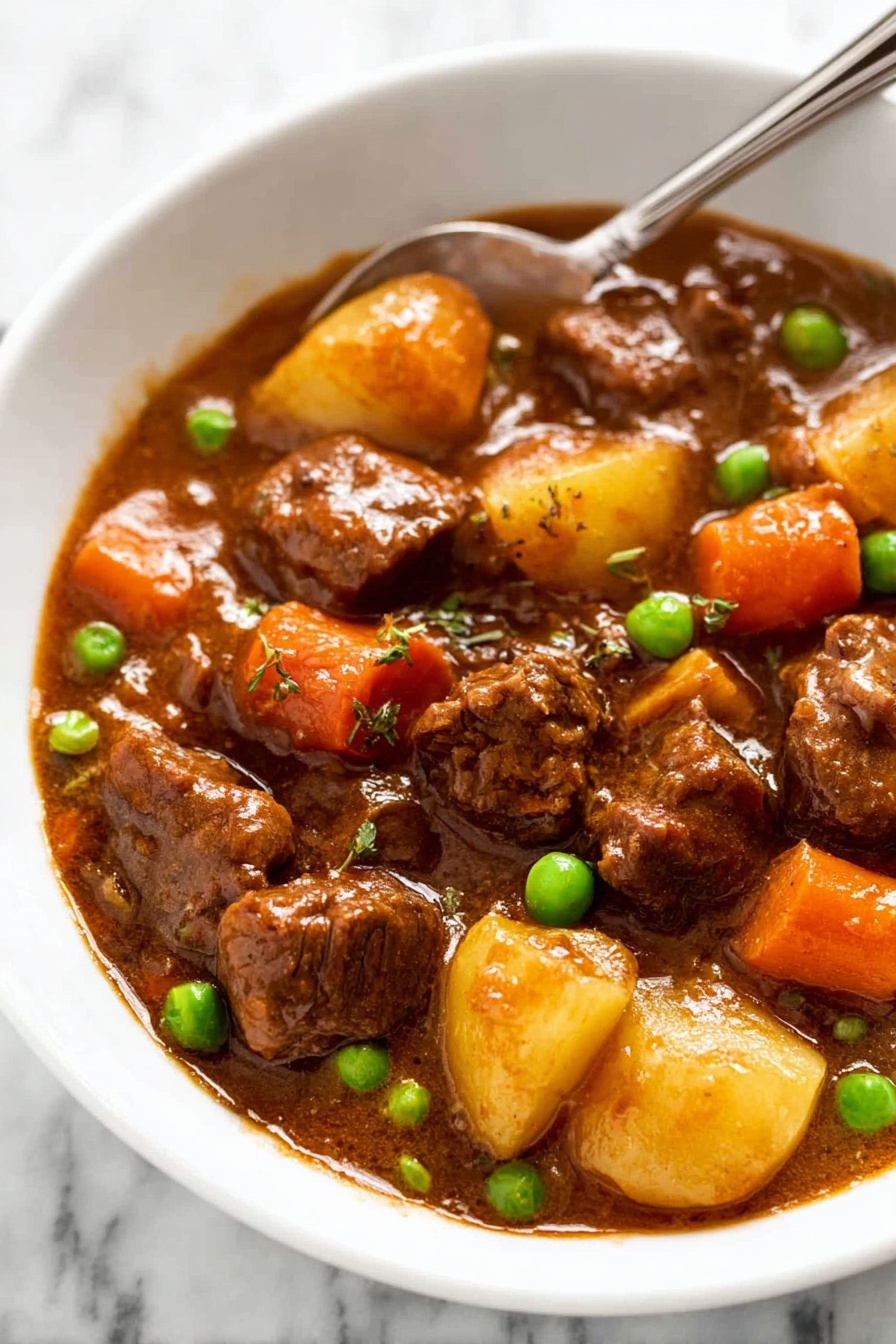
I usually sprinkle fresh chopped parsley or thyme on top—it adds freshness and a lovely herbal brightness that contrasts nicely with the rich stew. A dollop of crème fraîche or sour cream is a personal favorite on colder days; it softens the edges and makes each bite extra creamy.
Side Dishes
This stew stands on its own, but I love serving it with crusty bread for dunking or a simple side salad with a tangy vinaigrette to cut through the richness. Roasted Brussels sprouts or garlic green beans make lovely vegetable partners if you want more greens on the plate.
Creative Ways to Present
For special occasions, I like serving the stew in mini cast iron skillets or rustic bread bowls—totally charming and each portion feels like a warm, indulgent gift. Garnishing with edible flowers or microgreens also impresses guests while keeping it approachable.
Make Ahead and Storage
Storing Leftovers
I transfer leftovers into airtight containers and refrigerate for up to 3 days. The flavors actually deepen overnight, so I secretly think the next day tastes even better. Just be sure to cool it completely before sealing to keep it fresh longer.
Freezing
This stew freezes beautifully. Portion it out into freezer-safe containers or bags and freeze for up to 3 months. When I’m short on time, freezing a batch means I always have dinner ready, which is a lifesaver on busy weeks.
Reheating
To reheat, I thaw overnight in the fridge first, then gently warm it on the stovetop over low heat, stirring occasionally. If the stew thickened too much in the fridge, I add a splash of beef broth or water to loosen it back up. Avoid microwaving directly as it can cook unevenly.
FAQs
-
Can I skip the red wine in this Slow Cooker Beef Stew with Red Wine Recipe?
Absolutely! If you’re not into cooking with wine or want an alcohol-free version, simply substitute the wine with equal parts beef broth mixed with 2 tablespoons of red wine vinegar. This keeps the acidity and tenderizing effects without altering the hearty flavor.
-
What cut of beef is best for this stew?
Chuck roast is your best bet because it has the right balance of fat and connective tissue that breaks down beautifully into tender, flavorful chunks after slow cooking. Rump roast or bottom round also work but might be slightly less tender.
-
Can I make this stew on the stove instead of the slow cooker?
Definitely! After searing, reduce the wine by half in the skillet, then combine all ingredients in a pot. Simmer gently uncovered for 1-2 hours until meat and potatoes are tender. Stir occasionally and add peas near the end. This method works well if you’re short on time.
-
How do I thicken the stew if it’s too thin?
Mix 3 tablespoons of cornstarch with ¼ cup cold water and stir it into the stew towards the end of cooking. Let it cook a few more minutes to thicken. Remember, the stew also thickens as it cools, so adjust slowly to avoid making it too gloopy.
-
Can I add other vegetables to this stew?
Yes! This recipe is very flexible. Root vegetables like parsnips, turnips, or celery root add nice texture and sweetness. Just add them at the same time as carrots and potatoes for even cooking.
Final Thoughts
This Slow Cooker Beef Stew with Red Wine Recipe has been a comfort food staple in my home for years—and sharing it here feels like sharing a little kitchen love with you. The slow cooking lets all the flavors slow-dance together, turning humble ingredients into a hearty, satisfying meal that warms the soul. If you haven’t tried slow cooking beef stew with red wine before, you’re in for such a treat. I hope it becomes one of your go-to dishes as much as it is mine!
Print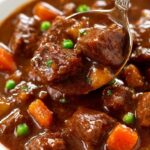
Slow Cooker Beef Stew with Red Wine Recipe
- Prep Time: 20 minutes
- Cook Time: 4 hours
- Total Time: 4 hours 20 minutes
- Yield: 6 servings
- Category: Main Course
- Method: Slow Cooking
- Cuisine: American
Description
A hearty and flavorful Slow Cooker Beef Stew made with tender chunks of beef, carrots, Yukon gold potatoes, and rich savory broth enhanced with red wine and aromatic herbs. Perfect for a comforting, slow-cooked meal.
Ingredients
Beef and Seasoning
- 2 ½ pounds stew meat
- ½ teaspoon black pepper
- ½ teaspoon garlic salt
- ½ teaspoon celery salt
- ¼ cup flour
Cooking Fats and Aromatics
- 3-6 tablespoons olive oil
- 3 tablespoons cold butter, divided
- 2 cups yellow onions, diced
- 4 cloves garlic, minced
Liquids and Broth
- 1 cup cabernet sauvignon or merlot
- 4 cups beef broth
- 2 beef bouillon cubes
- 2 tablespoons Worcestershire Sauce
- 3 tablespoons tomato paste
Vegetables and Herbs
- 5 medium carrots, cut into 1-inch chunks
- 1 lb. baby Yukon gold potatoes, halved or quartered
- 2 bay leaves
- 1 sprig rosemary
- 1 cup frozen peas
Optional Thickener
- ¼ cup cold water
- 3 tablespoons corn starch
Optional Enhancer
- 2-3 drops Gravy Master
Instructions
- Prepare the Meat: Cut meat into 1-inch cubes, discarding any large pieces of fat while keeping fat marbled in the meat. Sprinkle black pepper, garlic salt, and celery salt over the beef, toss to coat, then sprinkle flour and toss again evenly.
- Sear the Meat: Heat 3 tablespoons olive oil in a large skillet over medium-high heat. Brown the meat in batches, about 45 seconds per side, adding more oil if needed. Avoid overcrowding. Transfer browned meat to the slow cooker.
- Sauté Aromatics: Reduce skillet heat to medium and melt 1 tablespoon butter. Add diced onions and cook for 5 minutes until softened. Add minced garlic and cook for 1 minute more. Pour in a splash of wine, scraping up the browned bits with a spatula, then transfer the mixture and remaining wine to the slow cooker.
- Add Remaining Ingredients: Add beef broth, bouillon cubes, Worcestershire sauce, tomato paste, carrots, potatoes, bay leaves, rosemary, and any remaining seasonings to the slow cooker, excluding peas, cornstarch mixture, and 2 tablespoons of cold butter.
- Cook Stew: Cover and cook on low for 8 hours or on high for 4 hours, until vegetables and potatoes are fork tender.
- Add Peas: Stir in frozen peas during the last 15 minutes of cooking. Remove bay leaves and rosemary sprig before serving.
- Optional Thickening: Combine ¼ cup cold water with 3 tablespoons cornstarch. Slowly stir into stew to thicken. Let stew stand to continue thickening.
- Finish with Butter and Seasoning: Turn off the heat. Swirl in the remaining 2 tablespoons of cold butter to create a smooth, velvety texture (monter au beurre). Optionally, add 2-3 drops of Gravy Master for a richer, darker color.
Notes
- Store leftover stew in an airtight container in the refrigerator for up to 3 days or freeze for up to 3 months.
- Best beef cuts for stew include chuck roasts (preferred), rump roasts, and bottom rounds.
- You can sear a whole roast for about 8 minutes then cut into cubes for less moisture loss but less surface seasoning.
- Red wine can be substituted with equal parts beef broth or red grape juice plus 2 tablespoons red wine vinegar to maintain acidity and tenderize meat.
- For an Irish variation, substitute the wine with 1 cup stout Guinness beer.
- Stovetop method: After searing, reduce wine by half, then simmer all ingredients covered on medium-low heat for 1-2 hours until tender, stirring occasionally.
Nutrition
- Serving Size: 1 serving
- Calories: 450 kcal
- Sugar: 6 g
- Sodium: 700 mg
- Fat: 20 g
- Saturated Fat: 8 g
- Unsaturated Fat: 10 g
- Trans Fat: 0 g
- Carbohydrates: 25 g
- Fiber: 4 g
- Protein: 35 g
- Cholesterol: 85 mg