Korean Gochujang Meatballs Recipe
If you’re craving a dish that’s bursting with bold flavors and a little spicy kick, I’ve got just the recipe for you. This Korean Gochujang Meatballs Recipe is one of those meals I love making when I want something cozy, fun, and downright addictive. These meatballs are juicy, tender, and glazed with a sweet-spicy sauce that hits all the right notes—trust me, once you try this recipe, you’ll want to make it again and again.
Why This Recipe Works
- Perfect Balance of Flavors: The savory beef, spicy gochujang, and sweet apricot glaze create a harmony that’s irresistible.
- Simple Steps, Amazing Result: Browning the meatballs before baking locks in juices and gives great texture.
- Versatile and Crowd-Pleasing: Great for family dinners, parties, or meal prepping for the week.
- Easy Ingredient Access: Uses pantry staples with a flavorful Korean twist thanks to gochujang chili paste.

Ingredients & Why They Work
Every ingredient in this Korean Gochujang Meatballs Recipe is carefully chosen to build flavor and texture. The mix of fresh aromatics with that punchy chili paste and chewy panko breadcrumbs keeps the meatballs juicy but not dense. Let me walk you through why these ingredients are worth picking up.
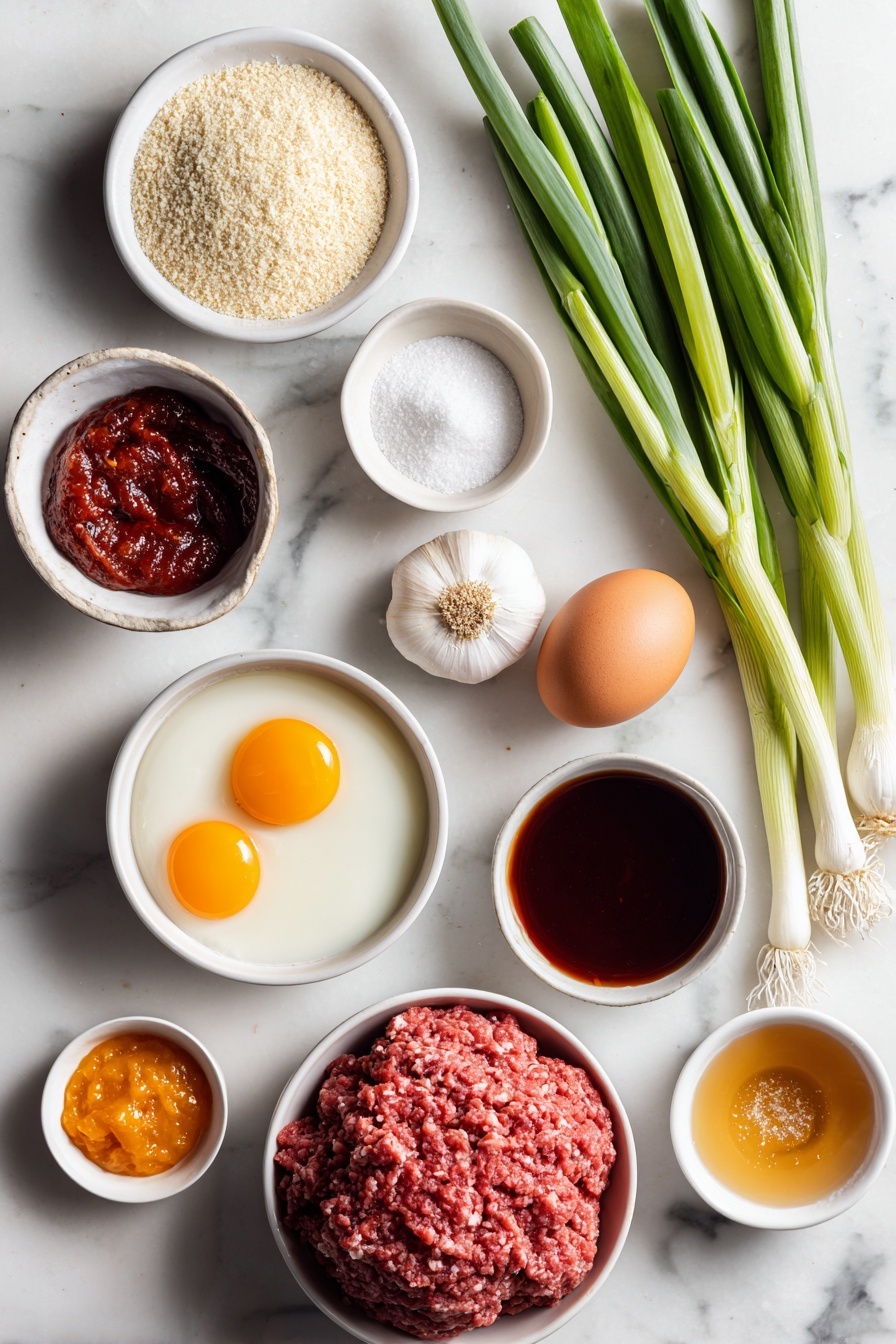
- Green onions: Add freshness and a mild bite, thinly sliced to blend seamlessly into the meat.
- Garlic: A classic flavor booster that deepens the overall taste.
- Egg: The binder that holds your meatballs together without making them tough.
- Panko breadcrumbs: Light and airy, they keep meatballs tender and prevent overpacking.
- Gochujang Korean chili paste: The star ingredient—fermented, spicy, and slightly sweet for authentic flavor.
- Fresh ginger: Adds warmth and a subtle zest that elevates the chili paste.
- Kosher salt & white pepper: To season perfectly without overpowering.
- Ground beef: I recommend 80/20 for flavor and fat balance, but you can also use ground pork or turkey.
- Canola oil: Neutral-flavored for pan-frying, which helps develop a beautiful crust.
- Apricot preserves: Sweetness for the glaze that balances heat and adds stickiness.
- Rice vinegar: Brings acidity to brighten the glaze.
- Soy sauce: Adds umami depth and saltiness to complete the glaze.
- Sesame seeds & sliced green onion (garnish): Adds crunch and freshness; my go-to finishing touch.
Make It Your Way
I love tweaking this Korean Gochujang Meatballs Recipe depending on my mood or what I have around. It’s such a flexible dish—you can easily adjust the spice or swap out ingredients to suit you. Let me share some of my favorite ways to make it your own.
- Variation: For a milder version, reduce the gochujang or swap half with sweet Korean chili sauce. I tried this once for guests who couldn’t handle the heat and everyone still raved about the flavor.
- Protein swap: Ground turkey or chicken works, though I add a bit of extra oil or moisture to keep the meatballs tender.
- Make it vegetarian: Use firm tofu or plant-based ground meat and skip the egg, adding a flax or chia egg instead.
- Gluten-free: Substitute panko for gluten-free breadcrumbs or crushed rice crackers; it still holds well!
Step-by-Step: How I Make Korean Gochujang Meatballs Recipe
Step 1: Mix with Care for Juicy Meatballs
First up, preheat your oven to 350°F (175°C). Combine the thinly sliced green onions, minced garlic, beaten egg, panko crumbs, gochujang, fresh ginger, salt, and white pepper in a large bowl. Add the ground beef and gently mix everything with clean hands or a spoon until just combined—don’t overwork it, or you’ll end up with dense meatballs. This helped me maintain that perfect tender, juicy texture every time.
Step 2: Brown Meatballs for Flavor and Texture
Heat canola oil in a large skillet over medium-high heat. Working in batches, place the meatballs in the pan and brown them on all sides for 3 to 4 minutes. This process seals in flavor and adds a beautiful, crispy crust that I personally love. Be patient and avoid overcrowding the pan—giving them space lets them brown nicely instead of steaming.
Step 3: Finish Baking for Juicy Perfection
Transfer your browned meatballs onto a rimmed baking sheet or pan, then pop them in the preheated oven for about 10 minutes, or until their internal temperature hits 160°F. This ensures they cook through evenly without drying out—the secret to super juicy meatballs every time.
Step 4: Whip Up That Scrumptious Glaze
While the meatballs bake, mix the apricot preserves, gochujang, rice vinegar, and soy sauce in a small saucepan. Bring it to a gentle simmer over medium heat and stir frequently for about 5 minutes until slightly thickened. The glaze will be glossy, sticky, and packed with tangy-sweet-spicy flavor—the perfect coating for your meatballs.
Step 5: Glaze and Garnish Like a Pro
Once the meatballs are out of the oven, brush each generously with the glaze. Finish with a sprinkle of sliced green onions and toasted sesame seeds for that pop of color and texture. I swear, this last step elevates the dish from everyday to wow-worthy!
Tips from My Kitchen
- Don’t Overmix the Meat: Keeping the mixing minimal makes for tender, juicy meatballs instead of tough ones.
- Use Fresh Gochujang: Fresh paste packs more punch—check the fridge aisle for the freshest jar.
- Double Glaze for Extra Shine: I sometimes brush the meatballs twice with glaze for a thicker, sticky coating.
- Avoid Crowding the Frying Pan: Cooking in batches is key to getting that beautiful crust everyone notices.
How to Serve Korean Gochujang Meatballs Recipe
Garnishes
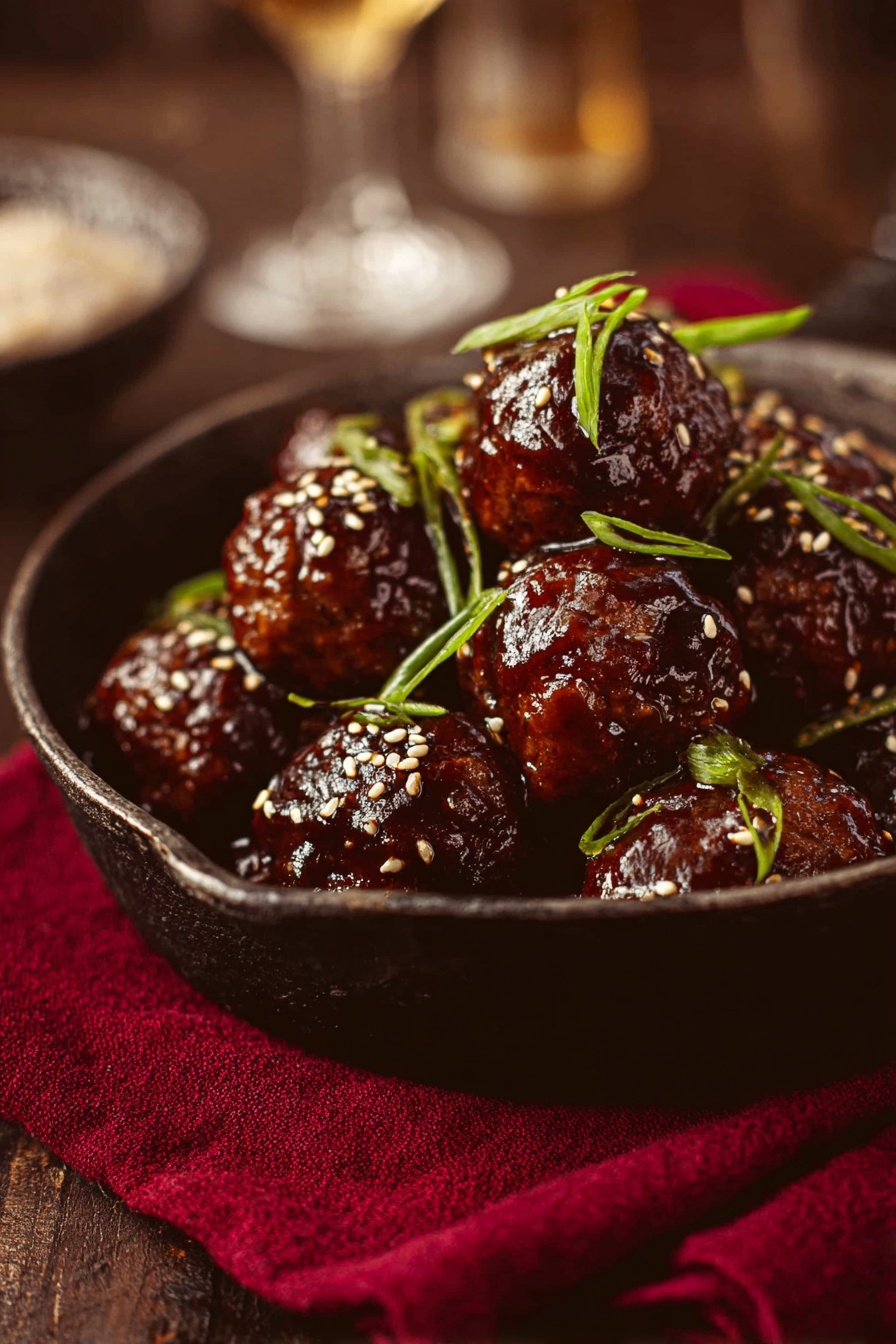
For me, the green onions and toasted sesame seeds are non-negotiable—they add fresh crunch and a nutty pop that perfectly balances the spicy glaze. Sometimes I add a drizzle of sesame oil on top or a few fresh cilantro leaves for a fragrant twist.
Side Dishes
I often serve these meatballs over steamed jasmine rice or sticky short-grain rice to soak up the delicious glaze. A side of quick kimchi or crunchy cucumber salad offers a refreshing contrast. Roasted broccoli or sautéed bok choy with garlic also make fantastic veggie companions.
Creative Ways to Present
For parties, I love skewering these meatballs on toothpicks and arranging them on a colorful platter with dipping sauce on the side. They also work beautifully served atop rice bowls with pickled veggies and a fried egg. Throwing in some fresh herbs and chili flakes amps up the wow factor for special occasions.
Make Ahead and Storage
Storing Leftovers
Leftover meatballs can be stored in an airtight container in the fridge for up to three days. I like to keep the glaze separate and brush it on when reheating to preserve that fresh sticky texture.
Freezing
I often freeze these meatballs uncooked, laid out on a baking tray so they don’t stick together. Once frozen solid, I transfer them to a freezer bag. They freeze well for up to one month—just bake straight from frozen, adding a few extra minutes to cook through.
Reheating
Reheat leftovers gently in a 350°F oven for about 10 minutes or until warmed through. To keep the meatballs moist, cover loosely with foil. Then re-brush with glaze before serving for that fresh-from-the-kitchen flavor.
FAQs
-
What is gochujang, and where can I find it?
Gochujang is a Korean fermented chili paste that’s spicy, sweet, and savory all in one. You can typically find it in the international aisle of major grocery stores, Asian markets, or online. Look for a brand with a vibrant red color and a balance of heat and sweetness.
-
Can I make these meatballs gluten-free?
Absolutely! Swap out panko breadcrumbs for gluten-free breadcrumbs or crushed rice crackers. Also, make sure to use gluten-free soy sauce, like tamari, in the glaze. The rest of the ingredients are naturally gluten-free.
- How spicy are these meatballs?
They pack a medium heat thanks to the gochujang chili paste, which has some sweetness that tones the spice down a bit. If you’re sensitive, start with less gochujang and increase as you get comfortable. The apricot glaze also helps balance the heat wonderfully.
- Can I prepare these meatballs ahead of time?
Yes! You can mix and form the meatballs a day ahead, then store them covered in the refrigerator. When ready, brown and bake them as the recipe directs. This is great for meal prepping or saving time on a busy day.
-
Can this recipe be made vegetarian or vegan?
You bet! Use plant-based ground meat alternatives or mashed firm tofu as your base. Replace the egg with a flax or chia seed egg (1 tablespoon seeds + 3 tablespoons water, mixed and rested) for binding, and double-check that your gochujang and apricot preserves are vegan-friendly. Adjust cooking times as needed.
Final Thoughts
This Korean Gochujang Meatballs Recipe holds a special place in my kitchen because it’s everything I love in one dish: spicy yet balanced, tender, and full of personality. Whether you’re cooking for family, friends, or just yourself, these meatballs are an easy way to add some Korean-inspired flair to your meals. Give them a try—I promise they’ll become one of your favorites too.
Print
Korean Gochujang Meatballs Recipe
- Prep Time: 25 minutes
- Cook Time: 30 minutes
- Total Time: 55 minutes
- Yield: 4 servings
- Category: Appetizer
- Method: Frying
- Cuisine: Korean
Description
These Korean Style Meatballs are a flavorful blend of ground beef, Korean chili paste, and aromatic spices, pan-fried to a golden brown and finished in the oven. They’re coated with a tangy apricot and gochujang glaze and garnished with green onions and toasted sesame seeds, making a perfect appetizer or main course with a spicy-sweet kick.
Ingredients
For the Meatballs:
- 3 green onions very thinly sliced
- 2 garlic cloves minced
- 1 egg lightly beaten
- ½ cup panko breadcrumbs
- 2 tablespoons gochujang Korean chili paste
- 1 tablespoon minced fresh ginger
- 1 teaspoon kosher salt
- ½ teaspoon ground white pepper
- 1 pound ground beef
- 2 tablespoons canola oil for pan-frying
For the Glaze:
- ⅓ cup apricot preserves
- 2 tablespoons gochujang Korean chili paste
- 1 ½ tablespoons rice vinegar
- 1 tablespoon soy sauce
For the Garnish:
- Sliced green onion
- Toasted sesame seeds
Instructions
- Prepare the Meatball Mixture: In a large bowl, combine thinly sliced green onions, minced garlic, lightly beaten egg, panko breadcrumbs, gochujang, minced fresh ginger, kosher salt, and ground white pepper. Add the ground beef and gently mix with your hands or a spoon until just combined, avoiding overmixing to keep the meatballs tender.
- Form the Meatballs: Shape the mixture into golf ball-sized meatballs using your hands or a scoop, ensuring they are evenly sized for consistent cooking.
- Brown the Meatballs: Heat canola oil in a large skillet over medium-high heat. Working in batches, add the meatballs to the skillet and cook for 3 to 4 minutes, turning occasionally, until they are browned evenly on all sides.
- Bake the Meatballs: Transfer the browned meatballs to a rimmed baking pan and place in a preheated oven at 350 degrees F. Bake for 10 minutes or until the internal temperature reaches 160 degrees F, ensuring they are fully cooked.
- Make the Glaze: While the meatballs bake, combine apricot preserves, gochujang, rice vinegar, and soy sauce in a small saucepot. Cook over medium heat for 5 minutes, stirring frequently, until the mixture slightly thickens into a glaze.
- Glaze and Garnish: Once the meatballs are cooked, brush them generously with the glaze. Sprinkle with sliced green onions and toasted sesame seeds before serving to add freshness and texture.
Notes
- Do not overmix the meatball mixture to keep the meatballs tender and juicy.
- Use fresh ginger for the best flavor in the meatballs.
- If you prefer less spice, reduce the amount of gochujang in the meatballs and glaze.
- Make sure to brown the meatballs well to develop a rich flavor and good texture.
- The glaze can be prepared ahead and stored in the refrigerator for up to 3 days.
- Serving suggestion: These meatballs pair well with steamed rice or as a party appetizer with toothpicks.
Nutrition
- Serving Size: 1 serving
- Calories: 350 kcal
- Sugar: 10 g
- Sodium: 550 mg
- Fat: 22 g
- Saturated Fat: 7 g
- Unsaturated Fat: 13 g
- Trans Fat: 0 g
- Carbohydrates: 18 g
- Fiber: 1 g
- Protein: 20 g
- Cholesterol: 85 mg