
Homemade Turkey Gravy Recipe
If you’re anything like me, the secret to a truly memorable turkey dinner is all in the sauce. And today, I’m excited to share my fan-freaking-tastic Homemade Turkey Gravy Recipe that turns simple ingredients into a luscious, savory masterpiece. Whether you’re a seasoned gravy pro or tackling it for the first time, this recipe will help you create that perfect silky gravy that everyone raves about at the table. Stick with me, and I’ll show you all my kitchen secrets along the way!
Why This Recipe Works
- Real Turkey Flavor: Using pan drippings or turkey stock gives the gravy that authentic roasted turkey depth that store-bought versions just can’t match.
- Perfect Thickness: The simple flour and butter roux acts like magic for a smooth, velvety finish without any lumps or clumps.
- Fresh Herbs & Garlic: A touch of sage, thyme, and garlic adds warmth and complexity, enhancing the gravy’s savory notes perfectly.
- Quick & Easy: It only takes about 20 minutes from start to finish, meaning you can whip it up alongside your turkey without stress.

Ingredients & Why They Work
This Homemade Turkey Gravy Recipe keeps things simple but smart with ingredients that play off each other beautifully. Each element builds flavors and texture, so choosing fresh herbs and good stock makes a huge difference in the final result.
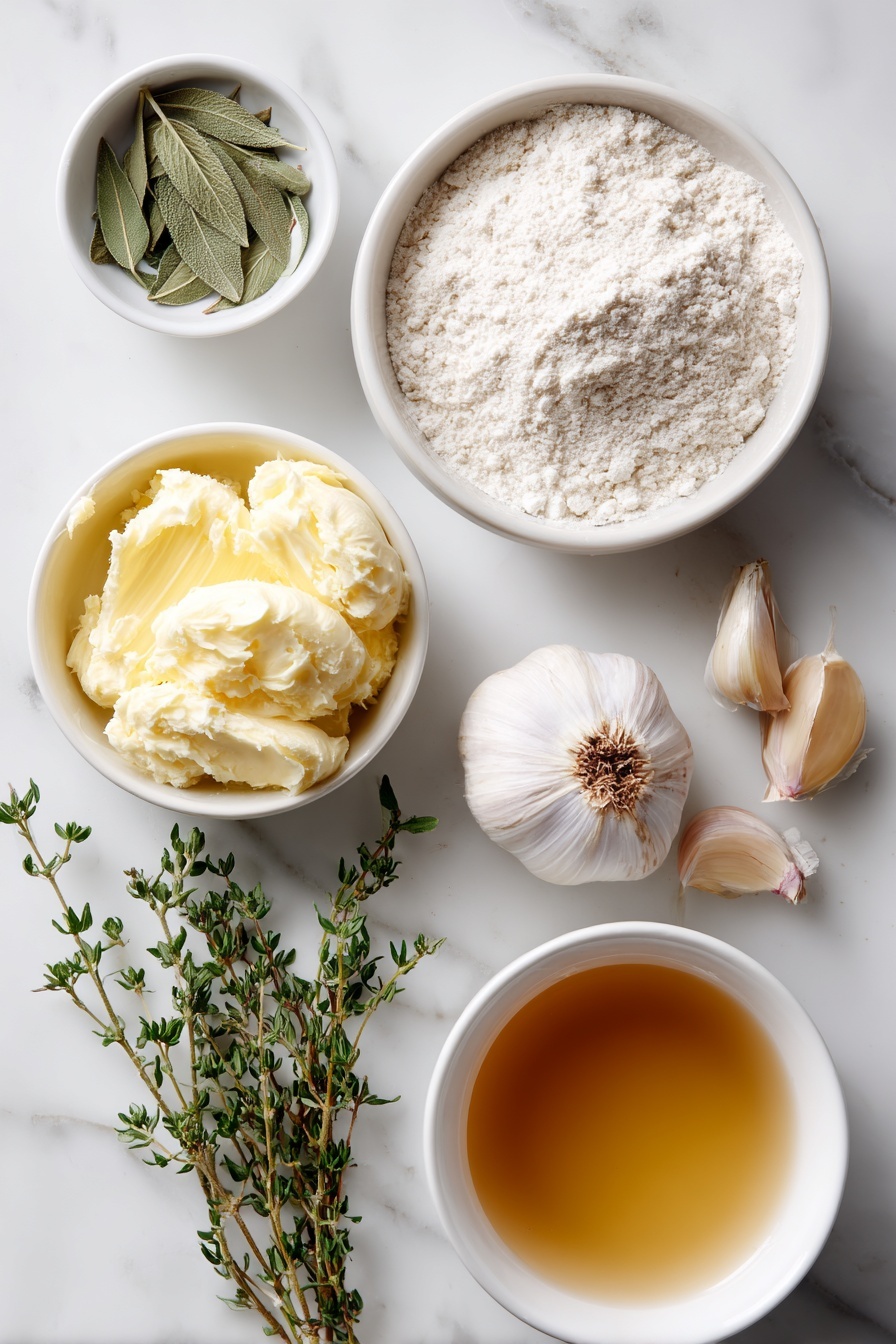
- Butter: It’s the base for your roux and adds rich creaminess; choose unsalted so you can control seasoning.
- Dried Sage: A classic herb that brings earthy warmth, but just a hint so it doesn’t overpower your gravy.
- Fresh Thyme: I love using fresh here since it gives a bright herbal note that dried can sometimes miss.
- Garlic: Minced fresh garlic adds just enough bite and aroma without overwhelming the dish.
- All-Purpose Flour: The thickening agent that creates a silky gravy texture; whisk it well for lump-free goodness.
- Turkey Stock or Pan Drippings: The heart of the gravy—pan drippings bring unbeatable flavor, but good turkey stock works perfectly too.
Make It Your Way
One of the best things about my Homemade Turkey Gravy Recipe is how easy it is to personalize. I’ve played around with different herbs and seasonings over the years, and you can totally tailor it to suit your taste or what you have on hand.
- Variation: If you like a smokier flavor, try adding a teaspoon of smoked paprika—I swear it adds a surprise kick that guests love.
- Dietary Modifications: For a dairy-free option, swap the butter for olive oil or a plant-based spread—you’ll still get a lovely texture consistency.
- Seasonal Changes: Around the holidays, I sometimes toss in a splash of white wine or a hint of orange zest to brighten the gravy just a tad.
- Spice It Up: A pinch of cayenne or freshly cracked black pepper can bring a subtle heat that balances the richness.
Step-by-Step: How I Make Homemade Turkey Gravy Recipe
Step 1: Gather & Prepare Your Turkey Stock
If you’re using pan drippings from your roasted turkey, be sure to strain them through a fine mesh sieve to catch any solids—this keeps your gravy silky smooth. You want about 2 ½ cups of this flavorful liquid. If you’re short, supplement with turkey or even vegetable stock.
Step 2: Sauté the Aromatics in Butter
Melt your butter over medium heat in a sturdy saucepan, then add minced garlic, dried sage, and fresh thyme. Cook this gently for about a minute, stirring constantly to soften the garlic but not brown it—that would turn your gravy bitter.
Step 3: Whisk in Flour to Make a Roux
Now comes the magic! Sprinkle in the all-purpose flour and whisk vigorously. Keep stirring and cooking this roux for about 2 minutes until it takes on a golden hue—you’ll smell those toasty nutty notes. This step is crucial to avoid a raw flour taste and keep the gravy lump-free.
Step 4: Slowly Add the Stock and Simmer
Gradually pour in your pan drippings or stock while whisking steadily. Bring everything to a gentle boil, then reduce the heat and simmer for 5 to 7 minutes, whisking frequently. You’ll notice the gravy begins to thicken and become beautifully glossy—that’s your cue it’s nearly done.
Step 5: Season and Serve
Finally, taste your gravy and adjust seasoning with salt and pepper. A quick tip: add salt sparingly since the drippings can be salty already. Serve immediately and watch your turkey dinner get a serious flavor upgrade.
Tips from My Kitchen
- Use Fresh Herbs When Possible: Fresh thyme really lifts the flavor in this recipe—dried can be substituted, but fresh makes a noticeable difference.
- Don’t Rush the Roux: Cooking the flour in butter until golden is what prevents the raw taste and ensures a smooth texture—be patient with this step.
- Whisk Often: Constant whisking when adding stock keeps lumps at bay and gives you that silky, even gravy.
- Avoid Over-Salting: Pan drippings can be quite salty, so season last and adjust gradually—better safe than too salty!
How to Serve Homemade Turkey Gravy Recipe
Garnishes
I love finishing off my Homemade Turkey Gravy Recipe with a sprinkle of freshly chopped parsley—it adds a pop of color and a bit of fresh brightness. Sometimes I add a few small sprigs of thyme on top for presentation, especially when serving guests.
Side Dishes
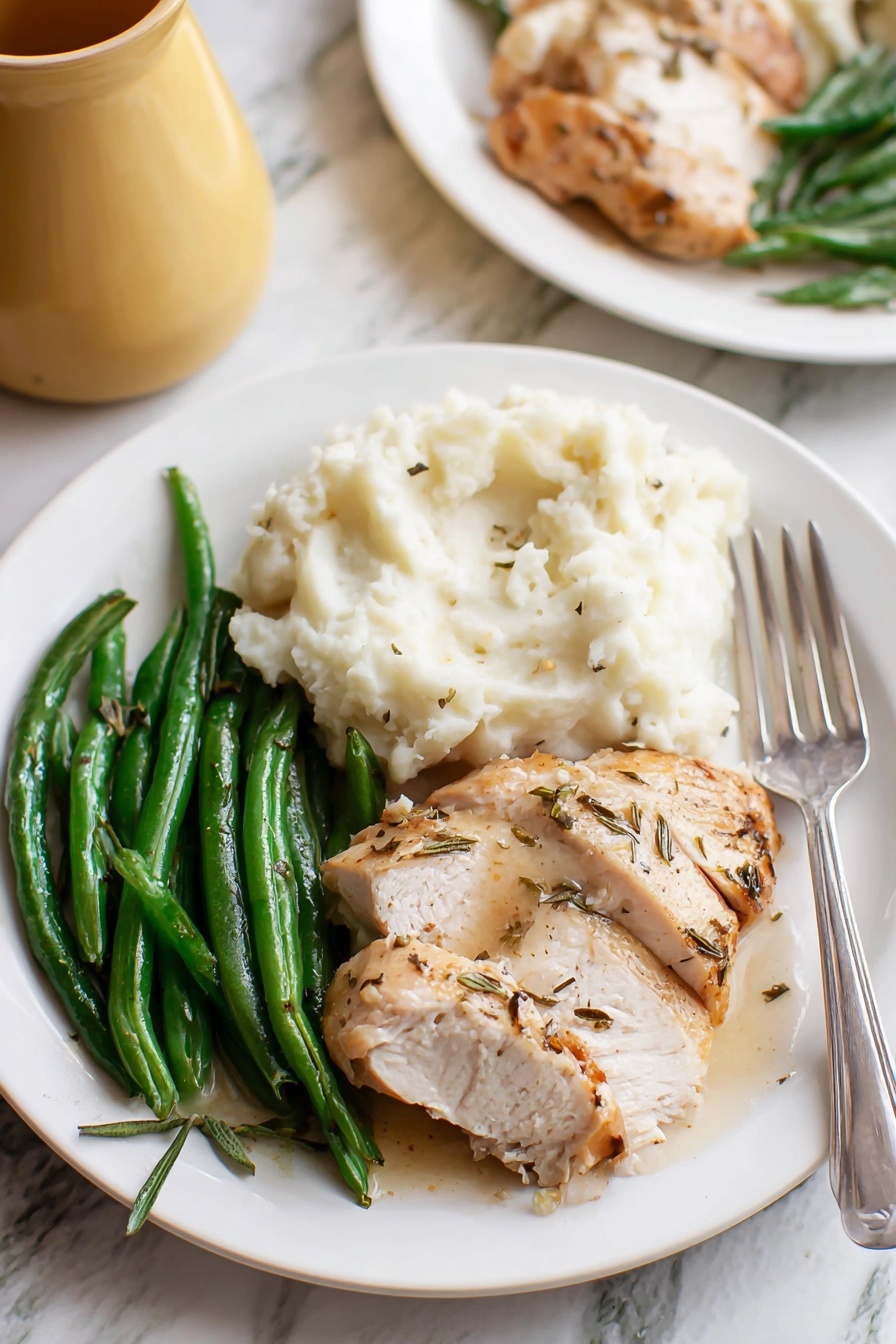
This gravy is a natural pairing with classic mashed potatoes, stuffing, and roasted vegetables. Personally, I like to pour it over creamy sweet potatoes and green bean casserole—comfort food heaven! It also pairs beautifully with biscuits or dinner rolls if you want an extra indulgent touch.
Creative Ways to Present
For holiday dinners, I sometimes serve the gravy in a small gravy boat so everyone can drizzle to their liking—it’s an instant conversation starter! Another fun twist: spoon the gravy over individual mini pumkin-shaped bread bowls for festive flair that guests adore.
Make Ahead and Storage
Storing Leftovers
Leftover gravy? No worries! I store mine in an airtight container in the fridge, and it usually keeps great for up to 2 days. To refresh it, just bring it to a gentle boil again before serving—this revives the luscious texture and flavor.
Freezing
Freezing gravy might sound tricky, but it’s actually quite straightforward. I pour my cooled gravy into freezer-safe containers or bags, label them, and freeze for up to 4 months. When I’m ready, I thaw it overnight in the fridge, then heat it slowly on the stove, whisking as it warms up to maintain smoothness.
Reheating
Reheating this Homemade Turkey Gravy Recipe is best done gently over low to medium heat. I whisk constantly as it warms to prevent it from sticking or separating. If it’s too thick, adding a splash of stock or water helps get back that perfect pourable consistency.
FAQs
-
Can I make this gravy without pan drippings?
Absolutely! While pan drippings give the best flavor, this recipe works wonderfully with good-quality turkey or vegetable stock. Just substitute the drippings with stock to reach 2 ½ cups, and you’ll still have a delicious, savory gravy.
-
How do I fix gravy that’s too thick or too thin?
If your gravy is too thick, slowly whisk in a bit more stock or warm water until you reach your desired consistency. If it’s too thin, mix a small amount of flour or cornstarch with cold water to make a slurry, then whisk it into the simmering gravy and cook until it thickens up.
-
Can I prepare this gravy in advance?
You can definitely make the gravy a day ahead and store it in the fridge. When you’re ready to serve, gently reheat on the stove while whisking until it’s warmed through and smooth. This saves you valuable time on the big day.
-
Why is my gravy gritty or lumpy?
Lumps usually form when flour isn’t whisked in properly or the liquid is added too quickly. The key is to whisk continuously and add the stock slowly to your roux. If lumps do appear, you can strain the gravy through a fine sieve to smooth it out.
Final Thoughts
This Homemade Turkey Gravy Recipe has become my go-to every time I roast a turkey because it reliably brings warmth, depth, and that comforting homemade touch to the table. I love how easy it is to make and how adaptable it can be to your flavor preferences. Next time you roast a bird, give this gravy a try—you’ll be amazed how much it elevates the whole meal. Trust me, once you taste it, you’ll never want to go back to pre-made gravy again!
Print
Homemade Turkey Gravy Recipe
- Prep Time: 5 minutes
- Cook Time: 15 minutes
- Total Time: 20 minutes
- Yield: 12 servings
- Category: Sauce
- Method: Stovetop
- Cuisine: American
Description
This rich and flavorful turkey gravy recipe uses pan drippings combined with butter, fresh herbs, and flour to create a smooth, savory sauce perfect for enhancing your holiday turkey or any poultry dish.
Ingredients
Gravy Ingredients
- 1/4 cup butter
- 1/4 teaspoon dried sage
- 2 teaspoons fresh thyme minced
- 1 garlic clove minced
- 1/4 cup all-purpose flour
- 2 1/2 cups turkey stock, preferably from pan drippings
Instructions
- Prepare Pan Drippings: If using pan drippings, strain them through a fine mesh sieve to remove solids and reserve about 2 1/2 cups of the liquid. If you don’t have enough pan drippings, substitute with turkey or vegetable stock.
- Melt Butter and Cook Aromatics: In a 3-quart saucepan, melt the butter over medium heat. Add minced garlic, dried sage, and fresh thyme, and cook for 1 minute while stirring constantly to release their flavors.
- Add Flour: Whisk in the all-purpose flour and continue whisking frequently for about 2 minutes, or until the mixture turns a golden color, indicating the flour is cooked and forming a roux.
- Incorporate Stock: Gradually whisk in the reserved pan drippings or turkey stock, blending thoroughly to prevent lumps.
- Simmer and Thicken: Bring the gravy to a boil, then reduce heat and simmer while whisking frequently for 5 to 7 minutes until the gravy thickens to your desired consistency.
- Season and Serve: Taste the gravy and add salt and pepper as needed. Serve immediately while hot.
Notes
- Refrigerate leftover gravy in an airtight container for up to 2 days. Reheat by bringing it to a boil before serving.
- Freeze gravy in a suitable container for up to 4 months. Thaw overnight in the refrigerator and reheat to boiling before serving.
- If you lack pan drippings, store-bought turkey or vegetable stock works well as a substitute.
- For thicker gravy, continue simmering a few more minutes or add a slurry of flour and water carefully while whisking.
Nutrition
- Serving Size: 1/4 cup
- Calories: 60 kcal
- Sugar: 0 g
- Sodium: 150 mg
- Fat: 4 g
- Saturated Fat: 2.5 g
- Unsaturated Fat: 1 g
- Trans Fat: 0 g
- Carbohydrates: 5 g
- Fiber: 0 g
- Protein: 1 g
- Cholesterol: 10 mg