Healthy Gingerbread Oatmeal Cookies Recipe
If you’re craving a cozy, flavorful treat that still keeps things on the healthier side, you’re in for a treat with this Healthy Gingerbread Oatmeal Cookies Recipe. These cookies are soft, chewy, and packed with all those warm gingerbread spices we love, but without a ton of added sugar or junk. I make these all year round, especially when I want a sweet snack that feels indulgent but doesn’t derail my healthy habits. Stick with me—I’ve got plenty of tips and tricks to make sure your batch turns out absolutely perfect!
Why This Recipe Works
- Balanced Sweetness: Uses molasses for authentic gingerbread flavor with just the right touch of natural sweetness.
- Gingerbread Spice Blend: Classic warming spices come together perfectly for that holiday feel all year.
- Healthy Ingredients: Whole wheat flour and oats provide fiber and whole grain goodness without compromising taste.

Ingredients & Why They Work
This Healthy Gingerbread Oatmeal Cookies Recipe is all about wholesome ingredients pairing perfectly to create a cookie that’s delicious, nourishing, and satisfying. From the oats that give texture to the molasses that bring the authentic flavor, here’s why each ingredient matters.
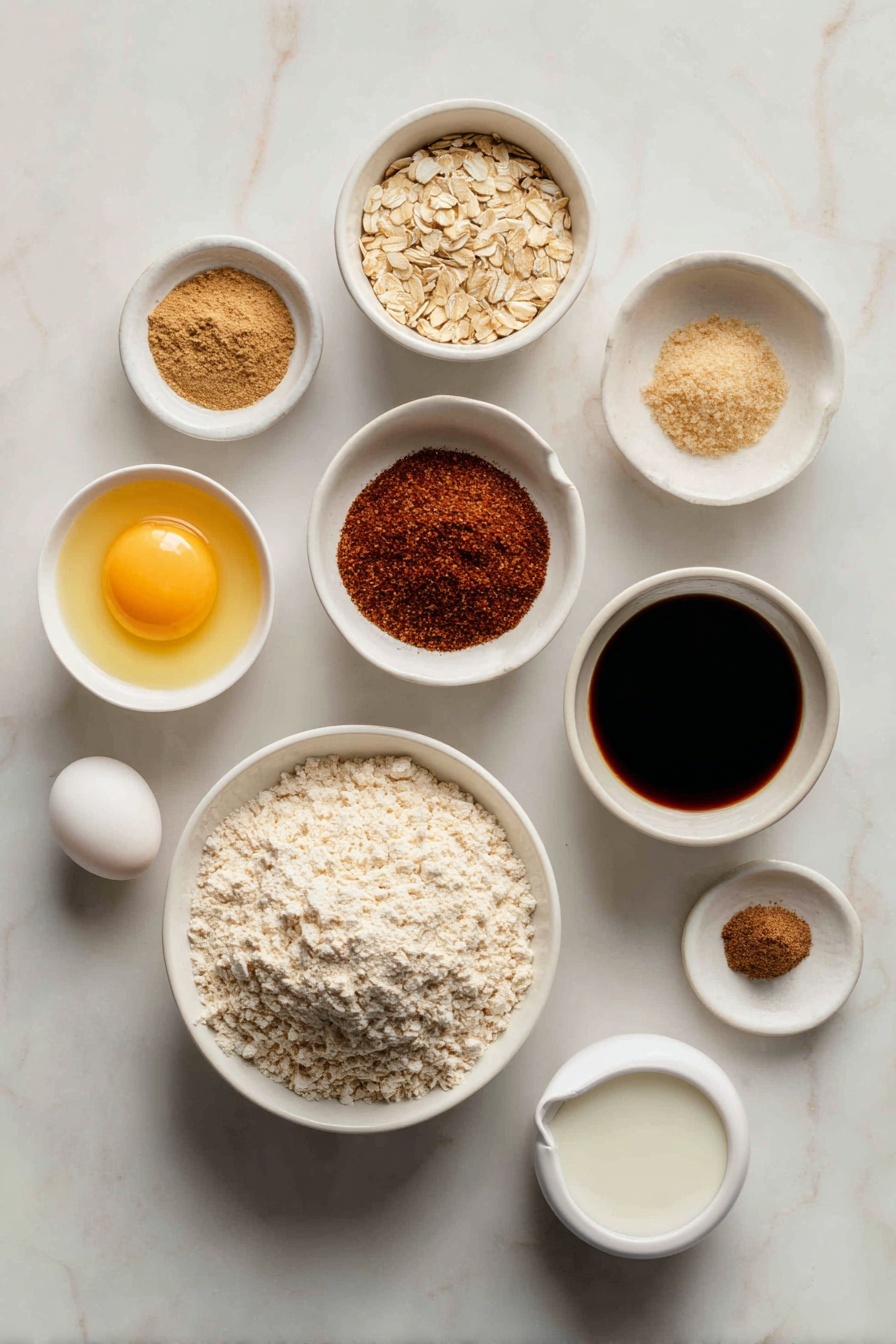
- Instant Oats: These soften during baking and give the cookie a tender, chewy texture; I always ensure they’re not the flavored packets to avoid extra sugars.
- Whole Wheat Flour: Adds nuttiness and fiber; you can swap for gluten-free flours if needed but be mindful of measurements.
- Baking Powder: Gives a little lightness without making the cookies cakey.
- Ground Ginger: The star spice for that warm, spicy kick—don’t skimp on this!
- Ground Cinnamon, Nutmeg & Cloves: These spices layer flavor and warmth, creating that cozy gingerbread aroma.
- Salt: Enhances and balances the sweetness and spices.
- Unsalted Butter or Coconut Oil: Adds moisture and richness; I love coconut oil for a subtle tropical note.
- Egg White: Binds ingredients without adding extra fat; you can substitute a whole egg if you prefer.
- Vanilla Extract: Deepens the overall flavor profile into a more rounded and aromatic cookie.
- Molasses: The magic behind gingerbread flavor and chewiness—use the real thing for best results.
- Nonfat Milk: Provides moisture to bind the dough and keeps things light.
Make It Your Way
I love that this Healthy Gingerbread Oatmeal Cookies Recipe is super versatile. Sometimes I add a handful of chopped walnuts for some crunch, or swap the molasses entirely for maple syrup when I want a milder spice profile. It’s your cookie adventure—so don’t hesitate to tweak it to fit your tastes or dietary needs.
- Variation: I once added raisins and it was like a soft gingerbread trail mix in cookie form—a total hit with my kids!
- Dairy-Free Option: Swap butter for coconut oil and use almond or oat milk instead of dairy milk; the cookies taste just as wonderful.
- Gluten-Free Alternative: Use certified gluten-free oats and a blend of gluten-free flours to keep these safe yet tasty.
- Increased Spice Kick: Add an extra ¼ teaspoon of ground ginger when you want that extra zing and warmth.
Step-by-Step: How I Make Healthy Gingerbread Oatmeal Cookies Recipe
Step 1: Mix the Dry Ingredients Carefully
Start by whisking your oats, whole wheat flour, baking powder, and the quintessential gingerbread spices—ginger, cinnamon, nutmeg, and cloves—along with salt in a medium bowl. I like to do this thoroughly so every cookie has that lovely spice in every bite. Speaking of oats, be sure to measure them precisely, ideally with a kitchen scale, to keep your cookies from drying out.
Step 2: Combine the Wet Ingredients
In a separate bowl, whisk together your melted and cooled butter (or coconut oil), egg white, and vanilla extract until they’re smoothly combined. Then stir in the molasses—this gives the cookies their iconic gingerbread flavor—and finally add the milk. Having all wet ingredients at room temperature really helps them blend without clumps or separation.
Step 3: Bring It All Together & Chill
Pour your dry mixture into the wet and gently stir until just combined—don’t overmix! The dough will be a bit tacky. I always chill mine for at least 30 minutes; this helps the cookies hold their shape and deepens the flavors. If you’re in a hurry, you might skip this, but the texture isn’t quite the same.
Step 4: Shape and Bake
Preheat your oven to 325°F (160°C) and line a baking sheet with parchment or a silicone mat. Drop the dough by rounded tablespoons (about 15 cookies) onto the sheet, then gently flatten each to roughly ⅜ inch thickness with the back of a spatula. Here’s a key tip: these cookies don’t spread during baking, so shape them exactly how you want the finished cookie to look.
Bake for 7-10 minutes until the edges look set but the centers still feel soft—it’s tempting to leave them longer, but don’t! The residual heat will finish cooking them while they rest on the pan for 10 minutes. This ensures soft, chewy cookies without drying.
Tips from My Kitchen
- Accurate Measuring: Using a kitchen scale for oats and flour transformed my cookie texture—too much flour dries them out.
- Room Temperature Ingredients: I always set out milk, molasses, and egg whites ahead of time to ensure smooth mixing and uniform dough.
- Don’t Skip Chilling: Chilling deepens flavor and stabilizes dough, making the cookies easier to shape and enhancing chewiness.
- Watch Your Bake Time: Pulling cookies out too late can make them crumbly—soft centers are the goal before resting.
How to Serve Healthy Gingerbread Oatmeal Cookies Recipe
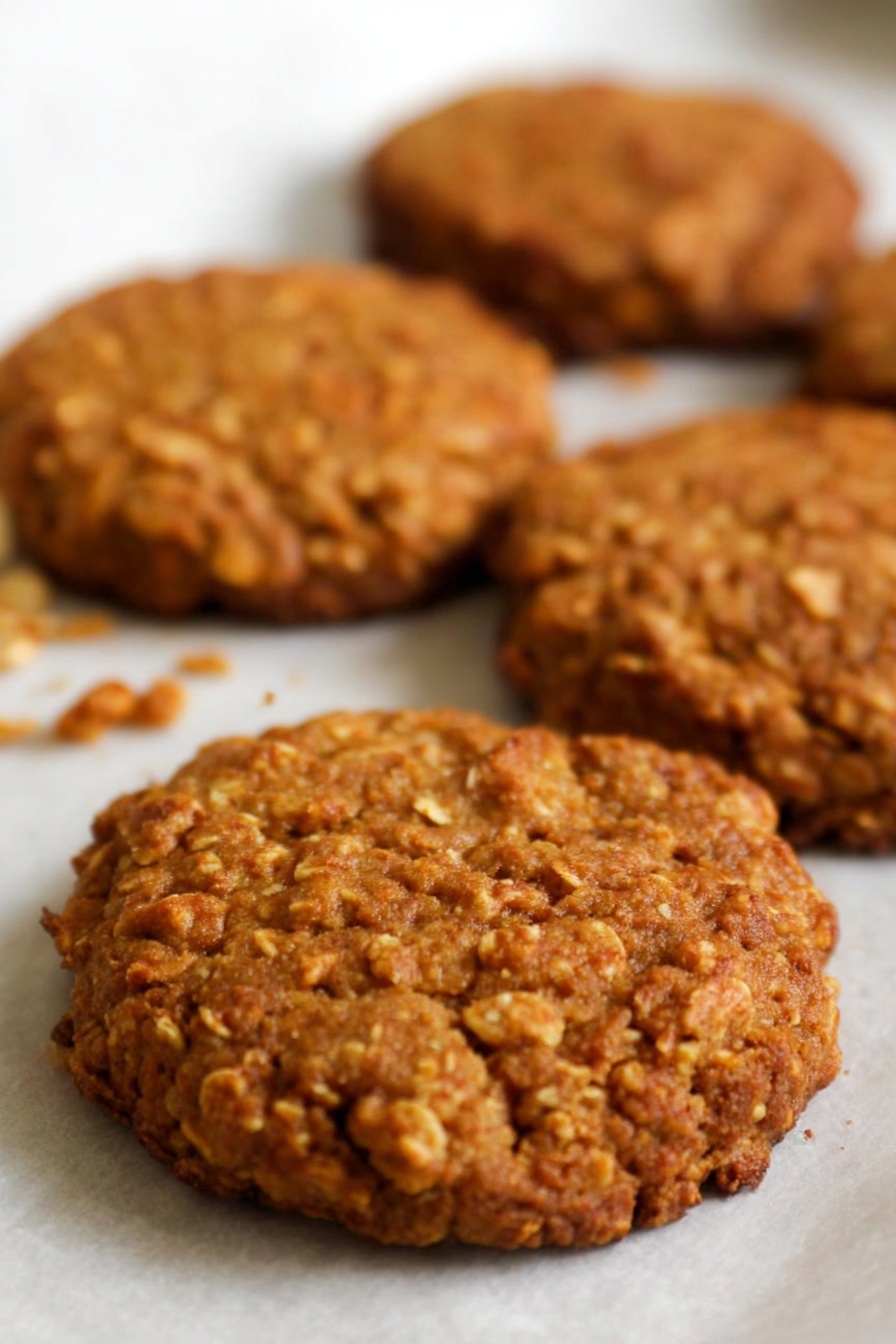
Garnishes
I love lightly dusting my cookies with a pinch of powdered cinnamon sugar right before serving for a little extra warmth and sweetness. Another fun idea is topping freshly baked cookies with a smear of almond butter or cream cheese frosting when you want a more decadent treat.
Side Dishes
These cookies make a perfect companion for a warm cup of chai tea or cinnamon-spiced coffee. I often pair them with a simple fruit salad or a bowl of Greek yogurt for a balanced breakfast or snack.
Creative Ways to Present
For holiday gatherings, I’ve arranged these cookies on a festive platter with fresh cranberries and sprigs of rosemary to mimic a wreath. Wrapping a few cookies in parchment tied with twine makes for a charming edible gift, too—everyone always smiles when they receive these goodies!
Make Ahead and Storage
Storing Leftovers
Once fully cooled, I store these cookies in an airtight container at room temperature for up to two days. For longer freshness, refrigerate them for up to a week. They hold their soft texture beautifully either way—just bring them to room temperature before eating if chilled.
Freezing
I freeze leftover cookies in a single layer on a baking sheet, then transfer them to a labeled freezer-safe bag once solid. This way, I can pull out a few at a time and keep the rest fresh for up to three months—perfect for spontaneous cravings or last-minute guests!
Reheating
To bring frozen cookies back to life, I let them thaw at room temperature for about 20 minutes, then pop them in a 300°F oven for 5 minutes. This warms them through and makes their edges just as chewy and satisfying as when freshly baked.
FAQs
-
Can I make this Healthy Gingerbread Oatmeal Cookies Recipe gluten-free?
Yes! Use certified gluten-free instant oats and swap the whole wheat flour with a gluten-free flour blend or oat flour. Just be mindful when measuring, since gluten-free flours absorb moisture differently—they can dry out the cookies if you add too much.
-
What’s the best way to measure the flour and oats?
I highly recommend using a kitchen scale for accuracy. Too much flour or oats makes the cookies dry and cakey. If you don’t have a scale, fluff the flour before spooning it into your measuring cup and level off the top with a knife.
-
Can I use whole eggs instead of egg whites?
Absolutely! If you prefer to use a whole egg, reduce the milk by about half a tablespoon to balance the wet ingredients. This may make the cookie a bit richer, but still delicious.
-
Why don’t my cookies spread during baking?
These cookies have very little butter/oil and no added sugar crystals to encourage spreading. Plus, chilling the dough helps them hold shape. Just flatten them before baking to your desired thickness, because they’ll keep that shape once baked.
-
Can I substitute molasses with something else?
I strongly recommend using molasses for authentic gingerbread flavor and texture. If molasses is hard to find, you can use pure maple syrup, honey, or agave, but expect a milder gingerbread taste. Don’t use blackstrap molasses though—it’s too bitter!
Final Thoughts
This Healthy Gingerbread Oatmeal Cookies Recipe holds a special place in my kitchen—it’s how I get that cozy, nostalgic gingerbread warmth without the guilt or extra sugar. I hope you’ll give it a try and enjoy how soft and comforting these cookies are, whether it’s for breakfast, snack time, or a holiday treat. Trust me, once you experience these homemade gems, they might just become your new go-to cookie for every season!
Print
Healthy Gingerbread Oatmeal Cookies Recipe
- Prep Time: 10 minutes
- Cook Time: 10 minutes
- Total Time: 50 minutes
- Yield: 15 cookies
- Category: Breakfast
- Method: Baking
- Cuisine: American
- Diet: Vegetarian
Description
These Healthy Gingerbread Oatmeal Breakfast Cookies are soft, chewy, and mildly spiced with classic gingerbread flavors. Made with whole wheat flour and instant oats, they provide a nutritious and satisfying start to your day. Naturally sweetened with molasses and lightly flavored with warming spices, these cookies are perfect for a wholesome breakfast or snack.
Ingredients
Dry Ingredients
- 1 cup (100g) instant oats (gluten-free if necessary)
- ¾ cup (90g) whole wheat flour or gluten-free flour
- 1 ½ tsp baking powder
- 1 tsp ground ginger
- ¼ tsp ground cinnamon
- ⅛ tsp ground nutmeg
- ⅛ tsp ground cloves
- ¼ tsp salt
Wet Ingredients
- 1 ½ tbsp (21g) unsalted butter or coconut oil, melted and cooled slightly
- 1 large egg white (room temperature)
- 1 tsp vanilla extract
- ¼ cup (60mL) molasses (room temperature)
- 5 tbsp (75mL) nonfat milk (room temperature)
Instructions
- Prepare dry ingredients: In a medium bowl, whisk together the oats, flour, baking powder, ground ginger, cinnamon, nutmeg, cloves, and salt until evenly combined.
- Mix wet ingredients: In a separate bowl, whisk the melted and cooled butter or coconut oil with the egg white and vanilla extract until thoroughly combined. Then stir in the molasses followed by the nonfat milk, all at room temperature.
- Combine mixtures: Pour the dry oat mixture into the wet ingredients and stir until just incorporated to make the cookie dough. Avoid overmixing.
- Chill dough: Cover and chill the cookie dough in the refrigerator for 30 minutes to firm it up for easier handling.
- Preheat oven and prepare baking sheet: Preheat the oven to 325°F (163°C) and line a baking sheet with a silicone baking mat or parchment paper.
- Form cookies: Using a spoon and spatula, drop 15 rounded scoops of dough onto the prepared baking sheet. Flatten each scoop to about ⅜ inch thick using the spatula; these cookies will not spread during baking.
- Bake cookies: Bake at 325°F for 10 minutes, or until the centers still feel slightly soft and underdone. Do not overbake to maintain a chewy texture.
- Cool cookies: Allow the cookies to cool on the pan for 10 minutes before transferring them onto a wire rack to cool completely. Residual heat will finish cooking the centers during this time.
Notes
- Measure oats and flour carefully with a kitchen scale to avoid dry, cakey cookies.
- Cookies have mild sweetness; for sweeter cookies, substitute part of the milk with pure maple syrup, honey, or agave.
- Increase ground ginger by ¼ to 1 tsp for a spicier gingerbread flavor.
- Cookies do not spread during baking, so flatten dough before baking.
- Use instant or quick-cooking oats; if unavailable, pulse rolled oats 10-12 times in a food processor.
- Substitute whole wheat flour with white whole wheat flour, whole wheat pastry flour, all-purpose flour, or oat flour cautiously.
- Substitute 1 large whole egg for egg white and reduce milk by ½ tablespoon if using whole egg.
- Molasses is crucial for gingerbread flavor; avoid blackstrap molasses due to bitterness.
- For dairy-free, use coconut oil or vegan butter and any plant-based milk.
- For gluten-free, use certified gluten-free oats and flour or a specified gluten-free flour blend with xanthan gum.
- Store cookies in an airtight container at room temperature for 2 days or refrigerated up to a week; they freeze well after cooling.
Nutrition
- Serving Size: 1 cookie
- Calories: 110 kcal
- Sugar: 5 g
- Sodium: 90 mg
- Fat: 3 g
- Saturated Fat: 1.5 g
- Unsaturated Fat: 1.2 g
- Trans Fat: 0 g
- Carbohydrates: 18 g
- Fiber: 2 g
- Protein: 3 g
- Cholesterol: 5 mg