Coconut Cake with Cream Cheese Frosting Recipe
If you’re a fan of tropical flavors with just the right touch of sweetness and creaminess, you’re going to absolutely love this Coconut Cake with Cream Cheese Frosting Recipe. This cake isn’t just any coconut cake—it’s got a tender crumb and a dreamy, tangy cream cheese frosting that perfectly balances the coconut’s natural sweetness. Trust me, whether it’s a special occasion or just a weekend treat, this recipe will quickly become a favorite in your baking rotation. Let’s dive into what makes it so special and how you can recreate it perfectly at home.
Why This Recipe Works
- Light and Fluffy Cake: Beating the egg whites separately gives the cake an airy texture that melts in your mouth.
- Layered Coconut Flavor: Using both coconut extract and sweetened flaked coconut gives that deep, authentic coconut taste.
- Balanced Tangy Frosting: The cream cheese frosting adds just enough tang to offset the sweetness, keeping each bite fresh and irresistible.
- Moisture Locked In: Wrapping the cake layers overnight at room temperature locks in the moisture, so your cake stays soft and flavorful.

Ingredients & Why They Work
The magic in this Coconut Cake with Cream Cheese Frosting Recipe comes from a thoughtful selection of ingredients that work harmoniously to give you that perfect balance of texture and flavor. From the carefully separated eggs to the powdered milk, every ingredient has its role in making this cake unforgettable.

- Egg Whites: Beaten to stiff peaks, they create that light, fluffy texture we all crave in a layered cake.
- Buttermilk: Adds tanginess and helps tenderize the crumb, keeping it moist and soft.
- Baking Soda: Reacts with buttermilk to provide lift and a light crumb.
- Sweetened Flaked Coconut: Ground finely, it infuses both flavor and texture throughout the cake, offering little bursts of coconut in every bite.
- Cake Flour: Lower in protein than all-purpose flour; ensures a softer, delicate crumb.
- Powdered Milk: Adds richness and contributes to the moist texture.
- Granulated Sugar: Sweetens while helping with tenderizing the cake.
- Unsalted Butter: Provides richness and flavor, plus a tender crumb.
- Egg Yolks: Add fat and moisture, giving the cake a smooth, rich mouthfeel.
- Vanilla Bean Paste and Coconut Extract: These together boost the cake’s aroma and depth, making the coconut flavor pop.
- Cream Cheese and Butter (for frosting): The dynamic duo in the frosting—cream cheese brings tang, while butter adds creaminess.
- Powdered Sugar and Heavy Cream: Sweeten and lighten the frosting for spreadability.
- Flaked Coconut (for garnish): Adds texture and visual appeal when pressed onto the frosting.
Make It Your Way
I often get asked if this Coconut Cake with Cream Cheese Frosting Recipe can be customized—and absolutely, yes! I like experimenting with subtle twists to make it fit different occasions or dietary needs without losing the essence of what makes it delicious.
- Variation: One time, for a tropical-themed birthday, I swapped out the flaked coconut garnish for toasted macadamia nuts. The crunch was a delightful surprise that added texture without overpowering the cake’s flavor.
- Dairy-Free: If you need a dairy-free version, try substituting the butter with coconut oil and the cream cheese with a plant-based cream cheese alternative – it still turns out luscious!
- Adding Fruit: Adding some crushed pineapple between the layers really brings out a fresh burst of tropical sweetness.
Step-by-Step: How I Make Coconut Cake with Cream Cheese Frosting Recipe
Step 1: Whip Egg Whites to Fluffy Perfection
First things first, make sure your egg whites are at room temperature — this helps them whip up more voluminously. I usually beat them on speed 4 for 2 minutes until frothy, then crank up the speed to 6 until stiff peaks form. This stage is so important because it gives the cake its signature light, airy texture. Don’t rush it! You want them to be stiff but not dry or grainy.
Step 2: Prepare the Buttermilk Mixture
While your egg whites set aside, whisk the baking soda into the buttermilk. This little chemical reaction is going to help your cake rise beautifully in the oven.
Step 3: Process the Coconut and Mix Dry Ingredients
Pop the sweetened flaked coconut into your food processor and pulse until you have a nice, fine texture—not too powdery, but enough that it will integrate well into the batter. Then, mix it with your cake flour, sugar, powdered milk, and salt. This blend creates the perfect base for the batter.
Step 4: Cream Butter and Add Yolks
Next, mix the softened butter into the dry ingredients until it looks sandy—this step locks in flavor and build the cake’s structure. Scrape down the bowl, then beat in the egg yolks along with vanilla bean paste and coconut extract. The aroma here is honestly incredible.
Step 5: Combine Buttermilk and Fold in Egg Whites
Add your buttermilk mixture little by little, mixing well after each addition but don’t overmix. The batter should be smooth and slightly thick. Lastly, gently fold in the egg whites in thirds, so you keep all that beautiful air you worked so hard to beat in.
Step 6: Bake and Cool
Divide the batter evenly between the pans and bake at 350°F for 35 to 40 minutes. Use the toothpick test to check doneness. When finished, let the cakes cool for 5 minutes in the pan, then turn them out onto a rack. This is a trick I swear by—I wrap the still slightly warm cakes in plastic wrap and let them rest overnight at room temperature. It keeps the moisture locked in and makes slicing so much easier when frosting day arrives.
Step 7: Make the Cream Cheese Frosting
Start by beating cold cream cheese with softened salted butter until silky and fluffy. Then add your powdered sugar gradually, alternating with heavy cream to keep it smooth and spreadable. Lastly, mix in vanilla extract and coconut extract. The final frosting is sweet, tangy, and creamy—absolutely perfect for this coconut cake.
Step 8: Frost and Garnish
Slather a generous layer of frosting on your first cake layer, then top with your second layer—repeat the frosting step all over the cake, even on the sides. For the finishing touch, press the sweetened flaked coconut into the frosting for that classic, rustic look and extra coconut punch. I sometimes pulse the coconut briefly in the food processor for a finer texture—your call!
Tips from My Kitchen
- Don’t Rush Egg Whites: Stiff peaks are key for the right texture—underbeating will make the cake dense.
- Overnight Rest Is a Gamechanger: Wrapping the cake while still slightly warm traps moisture that keeps the layers tender the next day.
- Frosting Consistency: If your frosting feels too stiff, add a splash of heavy cream, but add it slowly—too much at once can make it too loose.
- Coconut Garnish: Toast the coconut lightly for a nuttier flavor or leave sweetened for classic sweetness, depending on your mood.
How to Serve Coconut Cake with Cream Cheese Frosting Recipe

Garnishes
I usually stick to a good handful of sweetened flaked coconut pressed around the frosted layers and on top because it adds that lovely texture and immediately signals “coconut cake!” But sometimes for a little extra flair, I’ll sprinkle toasted shredded coconut or even add some edible flowers for that special occasion touch.
Side Dishes
This cake pairs beautifully with a simple cup of coffee or a light citrusy tea like jasmine. If you’re serving it as part of a bigger spread, fresh berries or a tropical fruit salad compliment the coconut flavor without overwhelming your palate.
Creative Ways to Present
For holiday parties or birthdays, I sometimes slice the cake into mini layers to create a stacked tower or even use ring molds to serve individual portions with a dollop of whipped cream and a sprinkle of toasted coconut on top. It’s a showstopper and makes guests feel extra special.
Make Ahead and Storage
Storing Leftovers
I keep leftover coconut cake with cream cheese frosting in an airtight cake keeper or wrapped tightly in plastic wrap. It stays fresh for up to 4 days refrigerated. Just be sure to let it come to room temperature before serving to bring back that soft, tender crumb.
Freezing
Freezing this cake works surprisingly well! I recommend freezing the unfrosted layers first, wrapped tightly in plastic wrap and foil. Thaw overnight in the fridge, then frost when ready to serve. Freezing the fully frosted cake can make the frosting a bit grainy, so I tend to avoid that.
Reheating
Since this cake is best enjoyed at room temp, I generally just take slices out of the fridge about 30 minutes before eating. If you want it a little warmer, a gentle 10-second zap in the microwave (on low power) can soften the frosting slightly without melting it.
FAQs
-
Can I use regular milk instead of buttermilk in this Coconut Cake with Cream Cheese Frosting Recipe?
You can, but I don’t recommend it. Buttermilk adds acidity which reacts with the baking soda to help the cake rise and also tenderizes the crumb. If you don’t have buttermilk, mix 1 cup milk with 1 tablespoon lemon juice or vinegar and let sit for 5 minutes before using as a substitute.
-
Why do you separate the eggs in this recipe?
Separating eggs and whipping the whites separately adds extra air, which makes the cake lighter and fluffier. It’s a classic technique for sponge-style cakes that really elevates the texture beyond a typical butter cake.
-
How do I avoid a soggy coconut cake with cream cheese frosting?
One key is to let your cakes cool completely before frosting. Also, be mindful not to add extra moisture—like fresh fruit directly between layers without a barrier. Lastly, wrapping the cake layers overnight helps lock moisture evenly without making it soggy.
-
Can I make this cake gluten-free?
You can try substituting the cake flour with a gluten-free flour blend designed for baking. Just be aware that texture might vary slightly, and you may need to adjust leavening or use xanthan gum as a binder for the best results.
-
Is it okay to use frozen coconut for this recipe?
Sweetened flaked coconut works best fresh or thawed if frozen. Make sure to pat it dry if it’s watery to avoid extra moisture in the cake and frosting. I prefer fresh because it keeps the texture just right.
Final Thoughts
This Coconut Cake with Cream Cheese Frosting Recipe has that perfect nostalgic vibe combined with fresh tropical flair that I adore baking for family and friends. I’m always amazed at how the simple techniques—like whipping egg whites or resting the cake overnight—transform humble ingredients into something magical. Give this recipe a try; I bet once you do, you’ll find yourself making it again and again, sharing a slice (or two) with those you love. Happy baking!
Print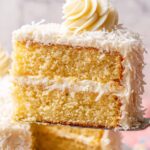
Coconut Cake with Cream Cheese Frosting Recipe
- Prep Time: 40 minutes
- Cook Time: 40 minutes
- Total Time: 1 hour 20 minutes
- Yield: 16 servings
- Category: Dessert
- Method: Baking
- Cuisine: American
Description
A classic, moist coconut cake made with flaked coconut in the batter and a rich cream cheese frosting infused with coconut extract. Perfect for celebrations and dessert lovers who enjoy coconut flavors.
Ingredients
Cake:
- 4 large egg whites room temperature
- 1 cup buttermilk room temperature
- 1 teaspoon baking soda
- 1⅓ cups sweetened flaked coconut (120g), loosely packed
- 2 cups cake flour (260g)
- 2 tablespoons powdered milk
- 2 cups granulated sugar (400g)
- ¾ teaspoon salt
- 1 cup unsalted butter room temperature
- 5 large egg yolks room temperature
- 1 tablespoon vanilla bean paste
- 1½ teaspoons coconut extract
Frosting:
- 8 ounces cream cheese cold and cubed
- ½ cup salted butter softened
- 5 cups powdered sugar
- ¼ cup heavy cream (60mL)
- 1 tablespoon vanilla extract
- 1½ teaspoons coconut extract
- 1 to 2 cups sweetened flaked coconut
Instructions
- Prepare the pans: Preheat the oven to 350°F and grease two 9-inch pans with cake goop or line the bottom with parchment paper and coat with nonstick spray.
- Beat egg whites: Add 4 large egg whites to a stand mixer with a whisk attachment and beat on speed 4 for 2 minutes, then increase to speed 6 until stiff peaks form, about 1 additional minute. Transfer to a small bowl and set aside.
- Mix buttermilk and baking soda: Combine 1 cup buttermilk and 1 teaspoon baking soda in a small bowl or measuring cup and set aside.
- Process coconut: Add 1⅓ cups sweetened flaked coconut to a food processor and pulse until fine.
- Combine dry ingredients: In the stand mixer bowl, add processed coconut, 2 cups cake flour, 2 cups granulated sugar, 2 tablespoons powdered milk, and ¾ teaspoon salt and mix to combine.
- Add butter: Add softened 1 cup unsalted butter and mix until the mixture is sandy in texture. Scrape down the sides if needed.
- Add yolks and extracts: Beat in 5 large egg yolks, 1 tablespoon vanilla bean paste, and 1½ teaspoons coconut extract until fully combined.
- Add buttermilk mixture: Add the buttermilk and baking soda mixture in three additions, scraping down the sides as needed until fully incorporated.
- Fold in egg whites: Gently fold the stiff egg whites into the batter until well combined.
- Bake the cake: Evenly divide batter between the two pans (about 720g each) and bake for 40 minutes or until a toothpick inserted in the center comes out clean.
- Cool the cakes: Let cakes cool in the pan for 5 minutes, then transfer to a cooling rack until almost completely cool. Wrap in plastic and store at room temperature overnight for best moistness.
- Prepare frosting: In a large bowl or stand mixer with paddle attachment, beat 8 ounces cold cubed cream cheese and ½ cup softened salted butter on medium-high speed until smooth and fluffy.
- Add powdered sugar and cream: Add 5 cups powdered sugar a cup at a time, alternating with ¼ cup heavy cream, until desired consistency is reached.
- Add extracts: Beat in 1 tablespoon vanilla extract and 1½ teaspoons coconut extract on high speed for 2 to 3 minutes until light and fluffy.
- Assemble cake: Place bottom cake layer on a plate or cake stand and spread frosting evenly on top to the edges.
- Add second layer and frost: Place second cake layer on top and spread frosting evenly over top and down the sides.
- Decorate with coconut: Gently press 1 to 2 cups sweetened flaked coconut onto the sides and top of the cake. Optionally, pipe additional decorative frosting around the top and base of the cake.
Notes
- The cake is best made a day ahead to improve moisture and flavor.
- Process coconut in a food processor for shorter strands for easy coverage on frosting.
- Use cake goop or parchment paper with nonstick spray for easy removal from pans.
- Be careful folding egg whites to maintain the cake’s light texture.
- You can adjust the frosting consistency by adding more powdered sugar or heavy cream as needed.
Nutrition
- Serving Size: 1 slice
- Calories: 420 kcal
- Sugar: 38 g
- Sodium: 180 mg
- Fat: 22 g
- Saturated Fat: 13 g
- Unsaturated Fat: 7 g
- Trans Fat: 0.5 g
- Carbohydrates: 50 g
- Fiber: 1.5 g
- Protein: 5 g
- Cholesterol: 110 mg