Basque Cheesecake Recipe
Have you ever wanted to make a cheesecake that feels both rustic and fancy at the same time? Well, I’m so excited to share my Basque Cheesecake Recipe with you because it’s exactly that—a beautifully burnt, creamy, and effortlessly impressive dessert that will wow anyone you serve it to. Trust me, once you try it, you’ll see why this cheesecake is my go-to for special occasions and casual weekend treats alike.
Why This Recipe Works
- No Water Bath Needed: This Basque cheesecake bakes beautifully without the fuss of a water bath, thanks to its unique burnt top and creamy center.
- Slow, Gentle Mixing: The secret to its silky texture is mixing just enough to combine ingredients without overwhipping.
- Simple Ingredients: With just cream cheese, eggs, sugar, cream, and flour, it’s straightforward and accessible for any home baker.
- Rustic Yet Elegant Look: Its caramelized, slightly cracked top makes it look artisan and homemade, but it tastes like a bakery masterpiece.

Ingredients & Why They Work
The beauty of this Basque Cheesecake Recipe lies in its simplicity. Each ingredient plays a crucial role in creating that luscious, silky texture balanced by the toasted, slightly caramelized crust. When shopping, always opt for full-fat cream cheese and heavy cream at room temperature to ensure smooth blending and maximum creaminess.

- Cream Cheese: Full-fat and room temperature help achieve that creamy, dense texture without lumps.
- Granulated Sugar: Balances the richness and aids caramelization on top.
- Eggs: Room temperature eggs mix more evenly, giving a smooth batter and structure.
- Heavy Cream: Adds richness and helps with that signature creamy mouthfeel. Using farm-fresh double cream if available amps up the decadence.
- Vanilla Extract: A subtle sweetness boost that brightens the flavor.
- Salt: Enhances all the flavors subtly and prevents it from tasting flat.
- All-Purpose Flour: Just a touch helps stabilize the batter without making it dense.
Make It Your Way
One of my favorite things about the Basque cheesecake is how flexible it is. Although I stick close to the classic recipe, I love encouraging you to make it your own. Whether you like it sweeter, with a little extra vanilla, or topped with fresh fruit, this recipe easily adapts to your personal taste.
- Variation: I once tried adding a tablespoon of lemon zest into the batter, which gave a fresh brightness that’s perfect for spring and summer.
- Dietary Modifications: For a lighter version, try substituting half the cream with Greek yogurt—it adds tang and cuts richness without losing creaminess.
- Toppings: I’ve paired this cheesecake with homemade blackberry compote or a drizzle of caramel sauce—both are heavenly and simple upgrades.
Step-by-Step: How I Make Basque Cheesecake Recipe
Step 1: Prep Your Pan Like a Pro
Start by preheating your oven to 425°F and line a 9 or 10-inch springform pan with criss-crossed layers of parchment paper. Here’s a trick—wet your parchment under running water, scrunch it into a ball, then unfold and dry it. This makes it super easy to shape into the pan and creates those iconic rustic edges. Make sure your parchment sticks up at least 2 inches above the pan rim for that perfectly burnt crust edge we love.
Step 2: Whip Cream Cheese Until Silky
Place your room temperature cream cheese in a large mixing bowl or stand mixer and whip it on medium speed for about 2 minutes. This step is key to a smooth batter—if you skip to adding sugar too quickly, you risk lumps and a grainy finish, which you don’t want.
Step 3: Sweeten Smoothly
Add the granulated sugar slowly while mixing on medium speed. This takes another 2 minutes, so be patient and scrape down the bowl sides if needed. You want the mixture to look silky and well combined, no granules hiding anywhere.
Step 4: Add Eggs One at a Time
Now, the eggs. Add them gently, one at a time, mixing on low speed. This ensures each egg fully incorporates without whipping in too much air, preserving that creamy Basque cheesecake texture over a fluffy souffle. If you add them too fast, you risk lumps or a curdled texture.
Step 5: Cream, Vanilla & Salt Join the Party
With your mixer on low, slowly add the heavy cream, vanilla extract, and salt. These ingredients blend together to give your cheesecake a perfect balance of richness and subtle flavor complexity.
Step 6: Flour for Stability
Sift in the all-purpose flour, then mix gently for about 20 seconds to incorporate. Don’t overdo it here; you want just enough to stabilize the batter without losing silkiness.
Step 7: Bake to Golden Perfection
Pour the batter into your prepped pan and place it on a rimmed baking sheet (trust me, it’s easier for handling). Pop it in the oven on the middle rack and bake for 50 to 65 minutes. You’ll see the cheesecake puff up beautifully and the top form that characteristic dark caramelized crust. The center will still jiggle slightly when you gently shake the pan—that means it’s just right. If you overbake, you risk a dry finish, so keep a close eye after 50 minutes.
Step 8: Chill and Love
Cool the cheesecake with the parchment still in the pan on a wire rack until room temperature, then transfer it to the fridge to chill for at least 8 hours or overnight. This chilling time helps the center fully set and the flavors intensify. Before serving, let it sit at room temperature for 1 to 2 hours for that perfect creamy texture.
Tips from My Kitchen
- Use Room Temperature Ingredients: I can’t stress this enough—warm cream cheese, eggs, and cream blend so much smoother and keep the texture silky.
- Wet and Scrunch Parchment: This simple trick makes lining the pan a breeze and creates the classic rustic edges everyone loves.
- Don’t Overmix: Slow mixing at every stage prevents air bubbles that can make the texture fluffy instead of creamy.
- Wait Before Serving: Let the cheesecake come to room temperature—this step really brings out the creamy, indulgent mouthfeel.
How to Serve Basque Cheesecake Recipe

Garnishes
I usually keep it simple because this cheesecake shines on its own, but I love topping it with fresh berries or a warm fruit compote—blackberry is my personal favorite. A dusting of powdered sugar or a drizzle of honey can also add a subtle sweetness without overpowering its burnt caramel notes.
Side Dishes
This cheesecake pairs beautifully with a cup of robust coffee or an herbal tea. If you’re serving as part of a dessert spread, fresh whipped cream or sliced stone fruits like peaches add refreshing contrast.
Creative Ways to Present
For a special occasion, I like to serve slices on a wooden board with a small bowl of homemade berry jam and edible flowers for a rustic-chic look. It also makes a stunning centerpiece for parties, with the parchment edges giving it that authentic “just out of the oven” vibe that guests admire.
Make Ahead and Storage
Storing Leftovers
I store leftover Basque cheesecake covered in the fridge for up to one week. I keep the parchment paper on to maintain moisture and prevent it from drying out. When you’re ready to eat, just let it sit out for a bit to regain that creamy, soft texture.
Freezing
Freezing works surprisingly well with this cheesecake! Once fully chilled, wrap it tightly in plastic wrap, then aluminum foil to avoid freezer burn. I usually freeze it for up to 3 months. When you’re ready, thaw it overnight in the refrigerator and let it sit at room temperature before slicing.
Reheating
If you want it slightly warm, pop slices in a low oven (about 300°F) for 5-10 minutes or microwave on low power in short bursts. Be careful not to overheat, or you lose that silky texture.
FAQs
-
What makes Basque cheesecake different from regular cheesecake?
Basque cheesecake is unique due to its burnt, deeply caramelized top and creamy, almost custard-like center. Unlike traditional cheesecakes, it’s baked at a higher temperature without a water bath, giving it that signature rustic look and richer flavor.
-
Can I use low-fat cream cheese or milk instead of heavy cream?
It’s best to use full-fat cream cheese and heavy cream to achieve the creamy, smooth texture this recipe is known for. Low-fat versions can result in a less creamy, more rubbery cheesecake, and substituting heavy cream with milk won’t provide the needed richness.
-
Why does my Basque cheesecake crack?
Cracking is normal for this rustic style and doesn’t affect the taste. To minimize cracks, avoid overmixing and don’t open the oven door during baking. The natural sinking as it cools also causes minor cracks, which add to its authentic appearance.
-
How do I get a clean slice when serving?
For super clean slices, heat a large chef’s knife under hot water, wipe it dry, and then slice the cheesecake. Repeat heating and wiping between cuts to keep your slices neat and smooth.
Final Thoughts
This Basque Cheesecake Recipe has genuinely stolen my heart with its ease and stunning results. It’s one of those desserts you’ll feel proud to share at any gathering because it tastes sophisticated but isn’t complicated to make. I hope you give it a whirl in your kitchen—it might just become your new favorite cheesecake, too. Let me know how it turns out; I’d love to hear your tweaks and toppings!
Print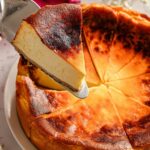
Basque Cheesecake Recipe
- Prep Time: 15 minutes
- Cook Time: 1 hour
- Total Time: 11 hours 15 minutes
- Yield: 12 servings
- Category: Dessert
- Method: Baking
- Cuisine: Spanish
Description
Basque Cheesecake is a rich, creamy, and rustic dessert with a burnt golden top and a perfectly jiggly center. This recipe delivers a silky smooth texture achieved by slow mixing and baking at a high temperature, then chilling to set. It’s perfect for parties and can be enjoyed plain or with fruit compote.
Ingredients
Cheesecake Batter
- 32 ounces cream cheese, room temperature and full-fat only
- 1½ cups granulated sugar
- 5 large eggs, room temperature
- 1½ cups heavy cream, room temperature
- 1 tablespoon vanilla extract
- 1 teaspoon salt
- ⅓ cup all-purpose flour, sifted
Instructions
- Prepare the Pan: Preheat the oven to 425°F and line a 9 or 10-inch springform pan with a criss-crossed double layer of parchment paper. Wet, scrunch, and dry the parchment paper to make it easier to work with, ensuring it sticks about 2 inches above the pan’s top. Set aside.
- Whip Cream Cheese: In a large bowl or stand mixer fitted with a whisk attachment, whip the cream cheese for 2 minutes to get it smooth.
- Add Sugar: Add the granulated sugar on medium speed and whip until smooth, about 2 minutes. Scrape down the sides as needed to remove lumps.
- Incorporate Eggs: Add eggs one at a time on low speed, mixing so only a little yellow remains before adding the next to avoid overwhipping.
- Add Cream and Flavorings: With mixer on low, add heavy cream, vanilla extract, and salt, mixing until fully incorporated.
- Add Flour: Sift the flour into the bowl and mix for about 20 seconds until just combined.
- Pour Batter into Pan: Pour the cheesecake batter into the prepared springform pan.
- Bake: Place the pan on a rimmed baking sheet on the middle oven rack and bake for 65 minutes until the top is golden brown and the center is still jiggly.
- Cool: Remove from oven and transfer the cheesecake in the pan to a wire rack to cool to room temperature.
- Chill: Refrigerate the cheesecake, in the pan, for at least 8 hours or overnight to set the center properly.
- Slice and Serve: Remove from refrigerator 1 to 2 hours before serving for best texture. Use parchment edges to lift cheesecake from pan base and slice with a hot knife for clean pieces. Serve plain or with fruit compote.
Notes
- Using farm fresh double cream instead of regular heavy cream enhances richness.
- Do not remove cheesecake from the pan until completely cool to avoid breaking.
- Serve the cheesecake at room temperature, but store refrigerated up to one week.
- Pay close attention to mixing speeds to avoid overmixing and air bubbles.
- You can freeze the cheesecake for up to 3 months; cool completely then wrap tightly before freezing.
- The recipe is forgiving and aims for a rustic, imperfect look which is part of its charm.
- Adjust sugar between 1¼ and 2 cups to control sweetness level.
Nutrition
- Serving Size: 1 slice
- Calories: 460 kcal
- Sugar: 28 g
- Sodium: 320 mg
- Fat: 37 g
- Saturated Fat: 22 g
- Unsaturated Fat: 12 g
- Trans Fat: 0.5 g
- Carbohydrates: 27 g
- Fiber: 0 g
- Protein: 7 g
- Cholesterol: 145 mg